


Bucha Forest Classroom
- Location Bucha, Ukraine
- Type Educational
- Size 82 m²
- Year 2025 - 2026
- Status Completed
- Client Support Fund for Bucha School
- Images Lukas Jusas, Volunteers, Illustrations - A.Bran
- Project lead Viktorija Blažienė
- Authors Goda Pazukaitė, Ignas Lukauskas
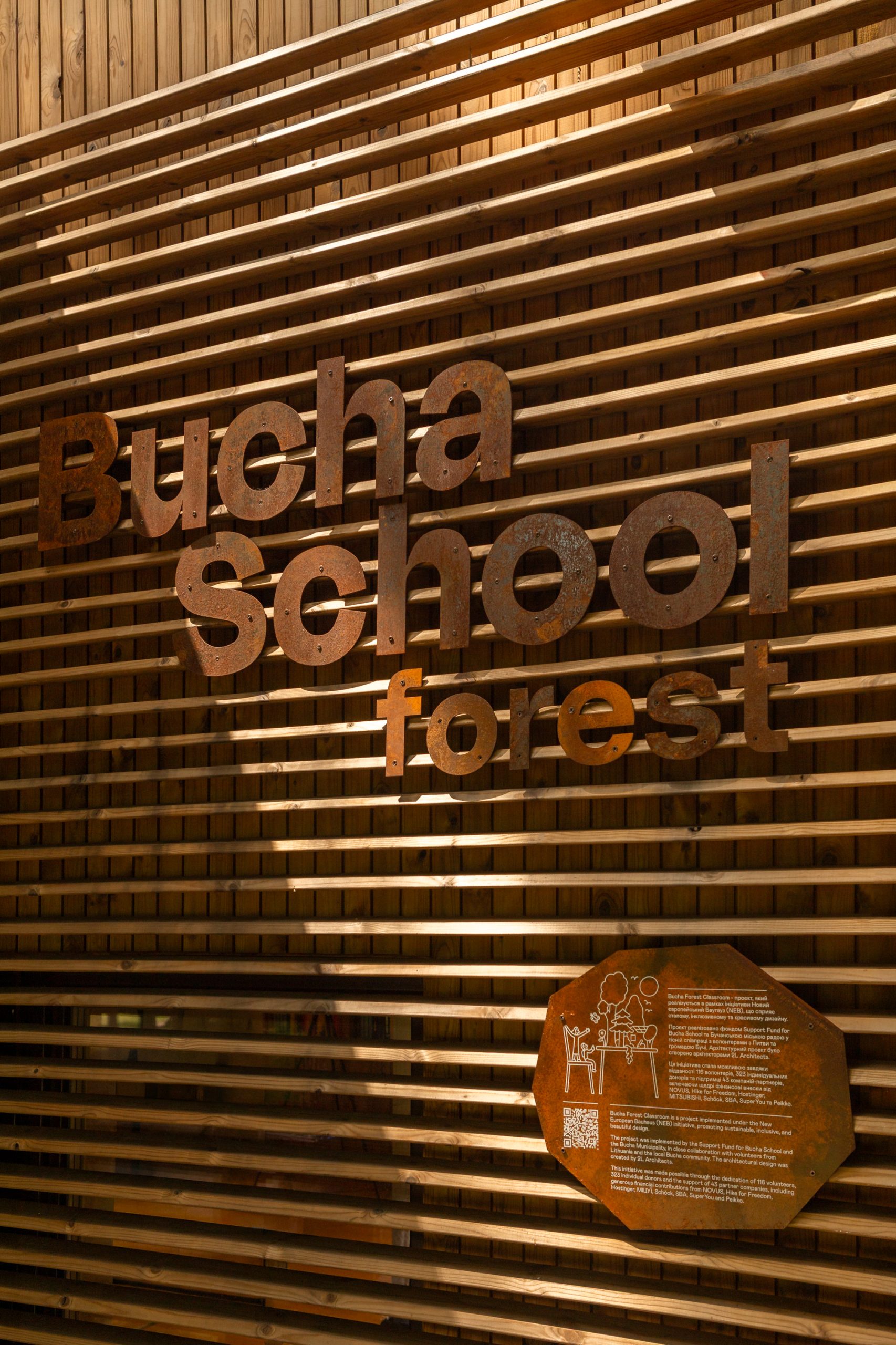
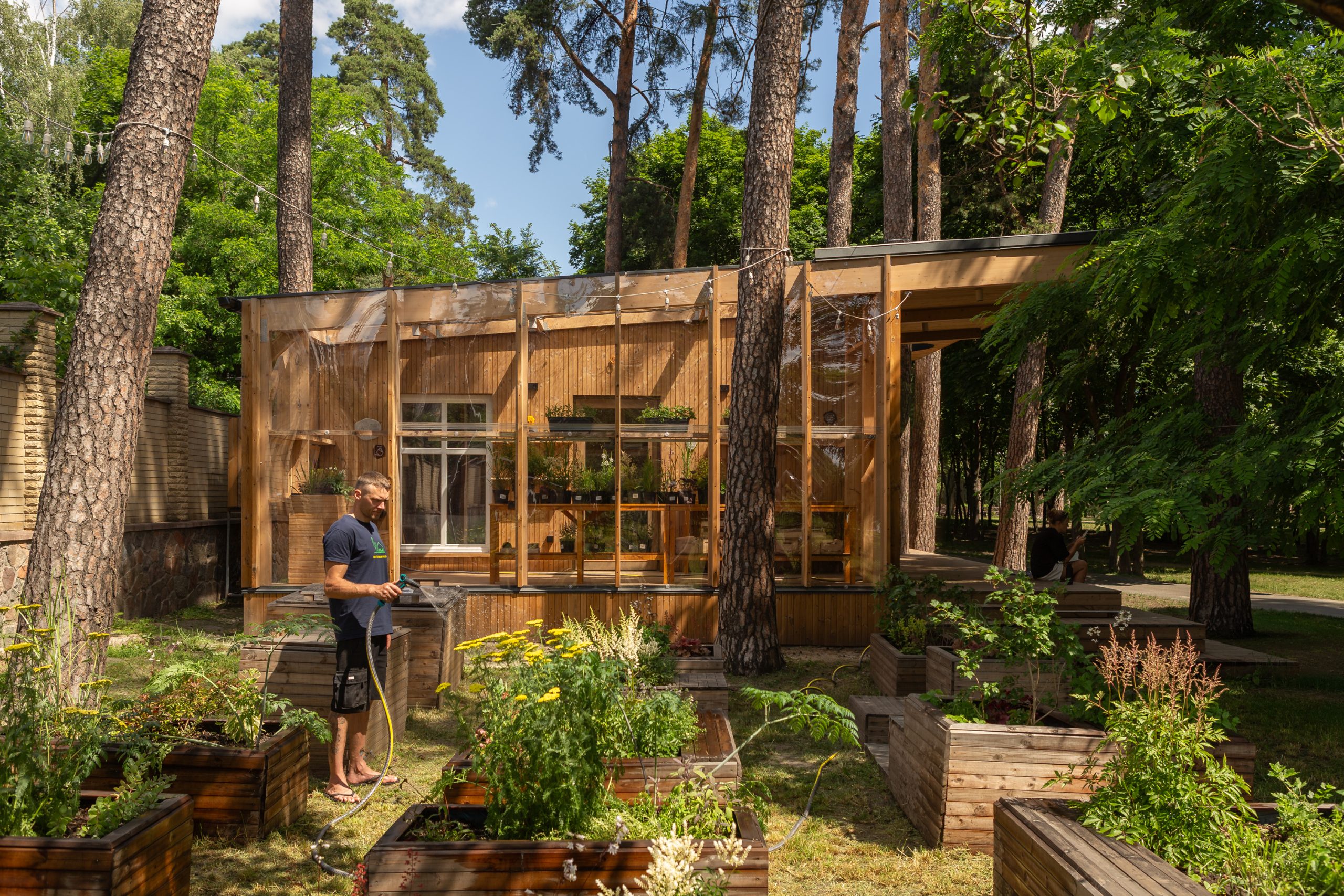
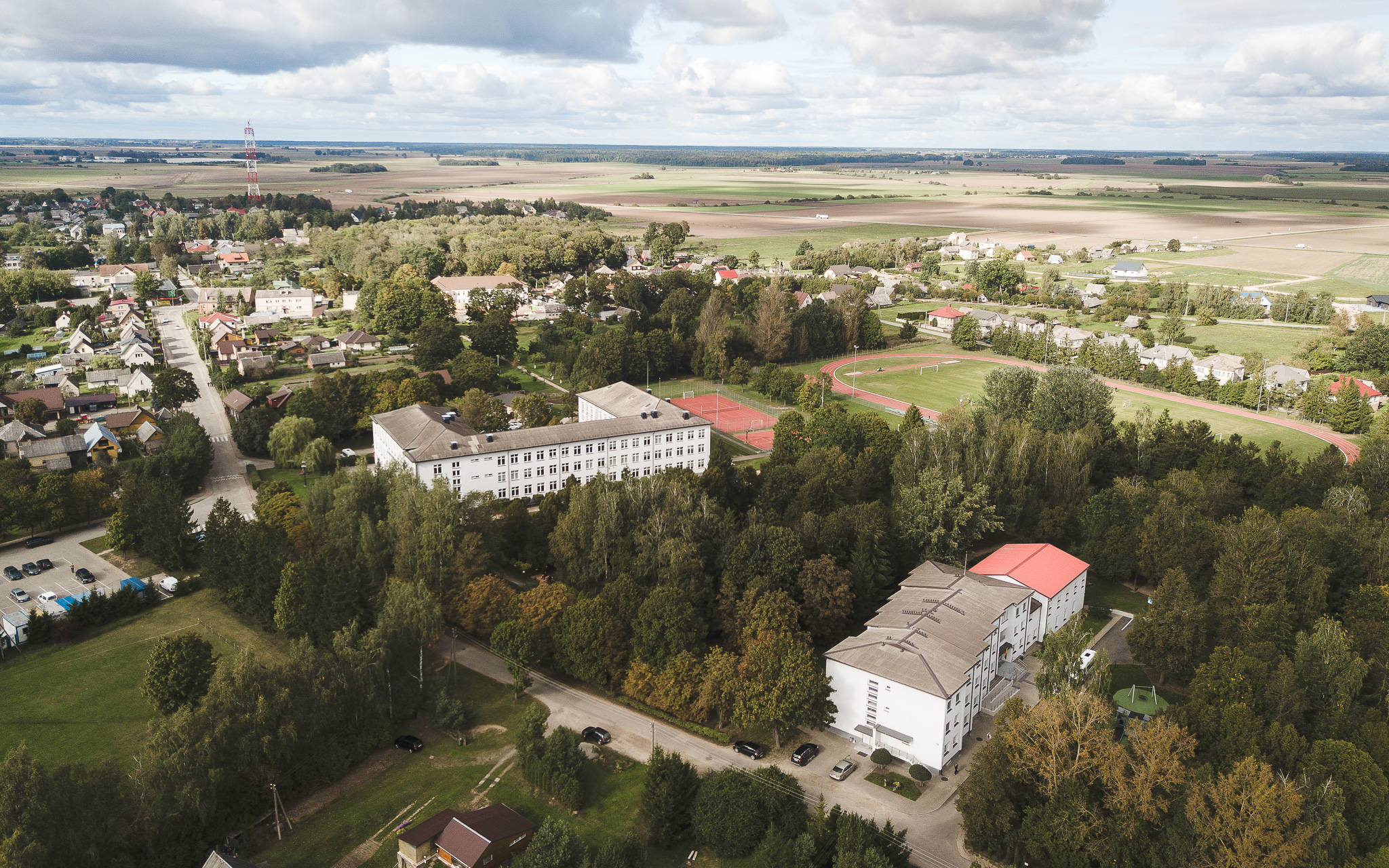
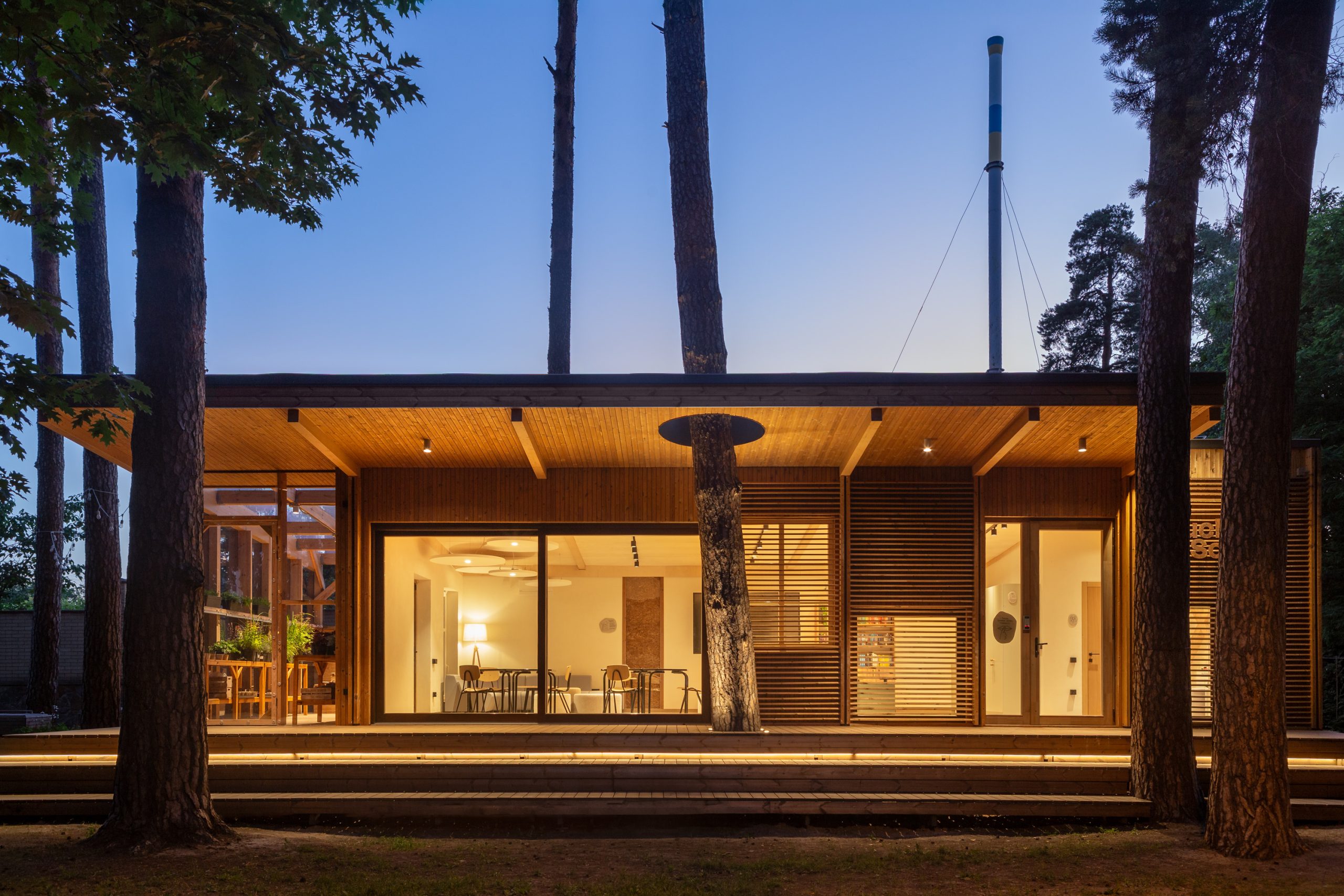
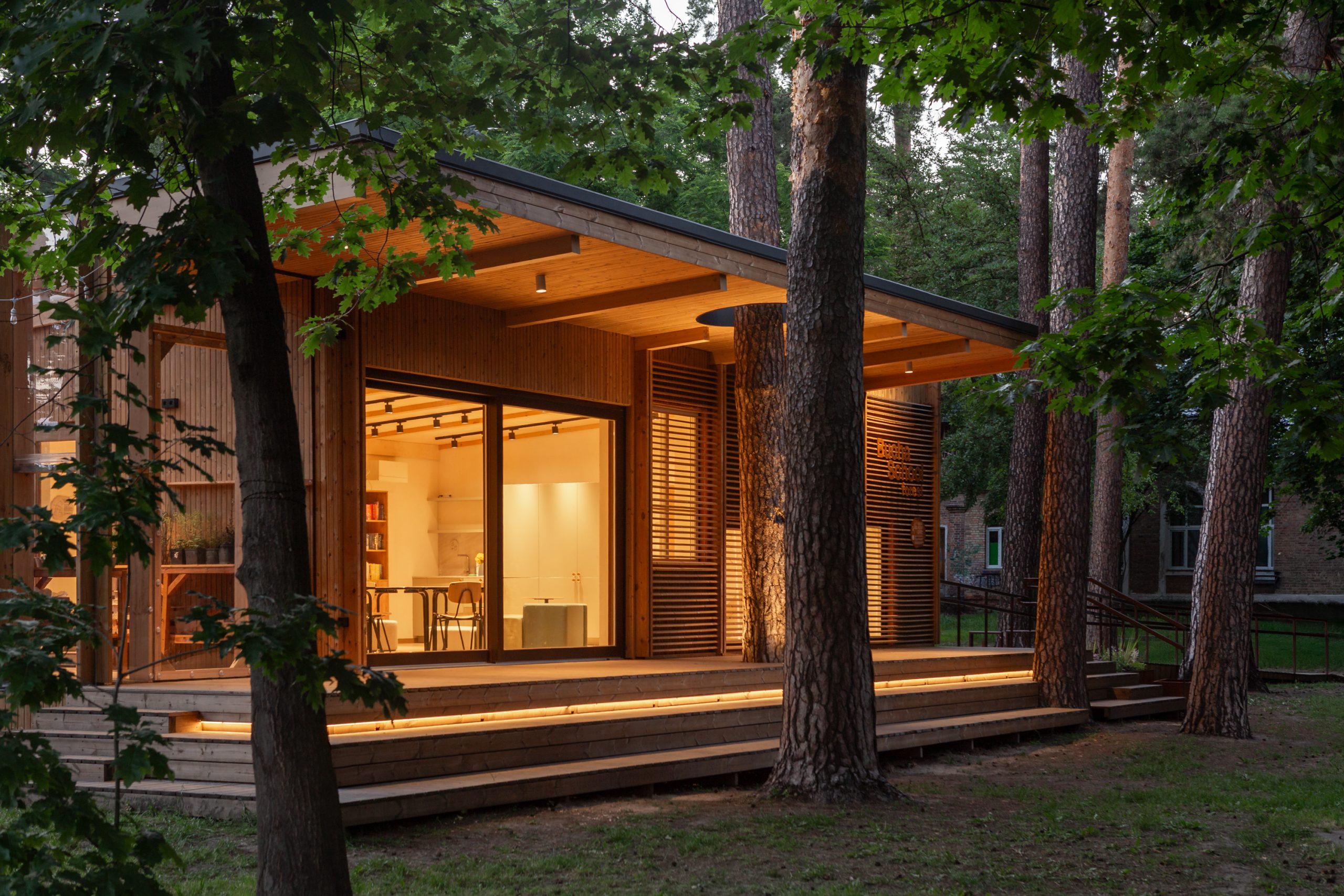
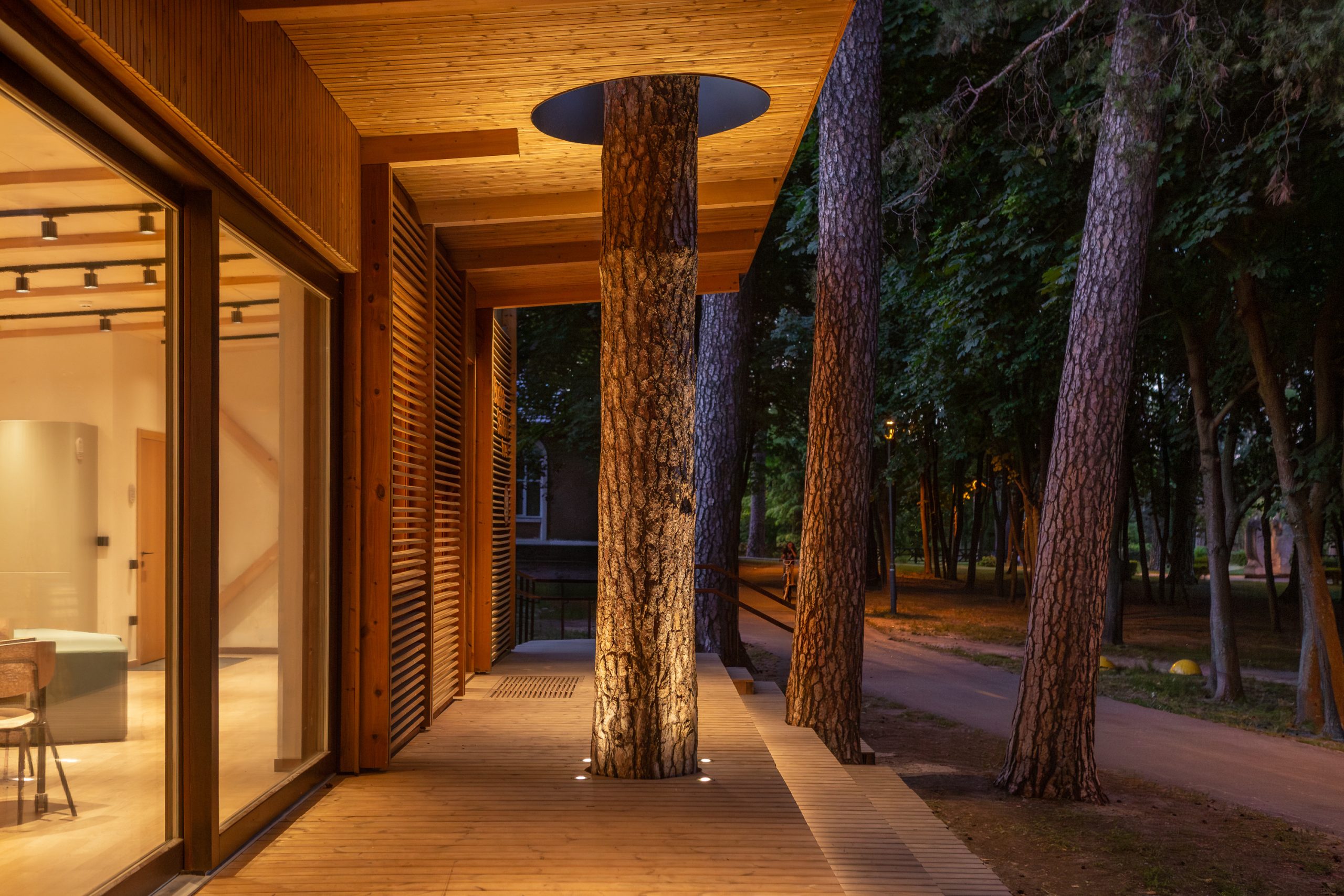
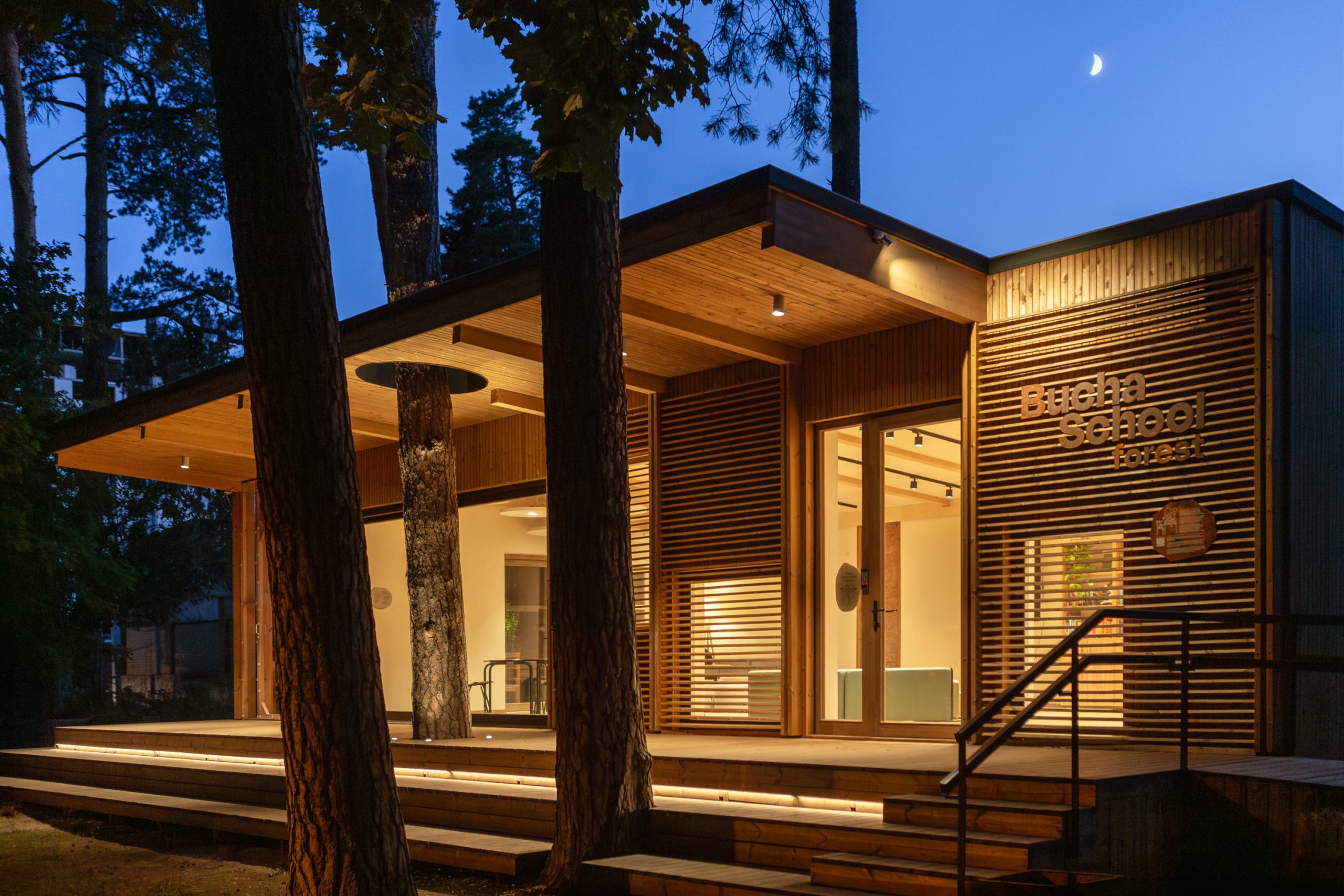
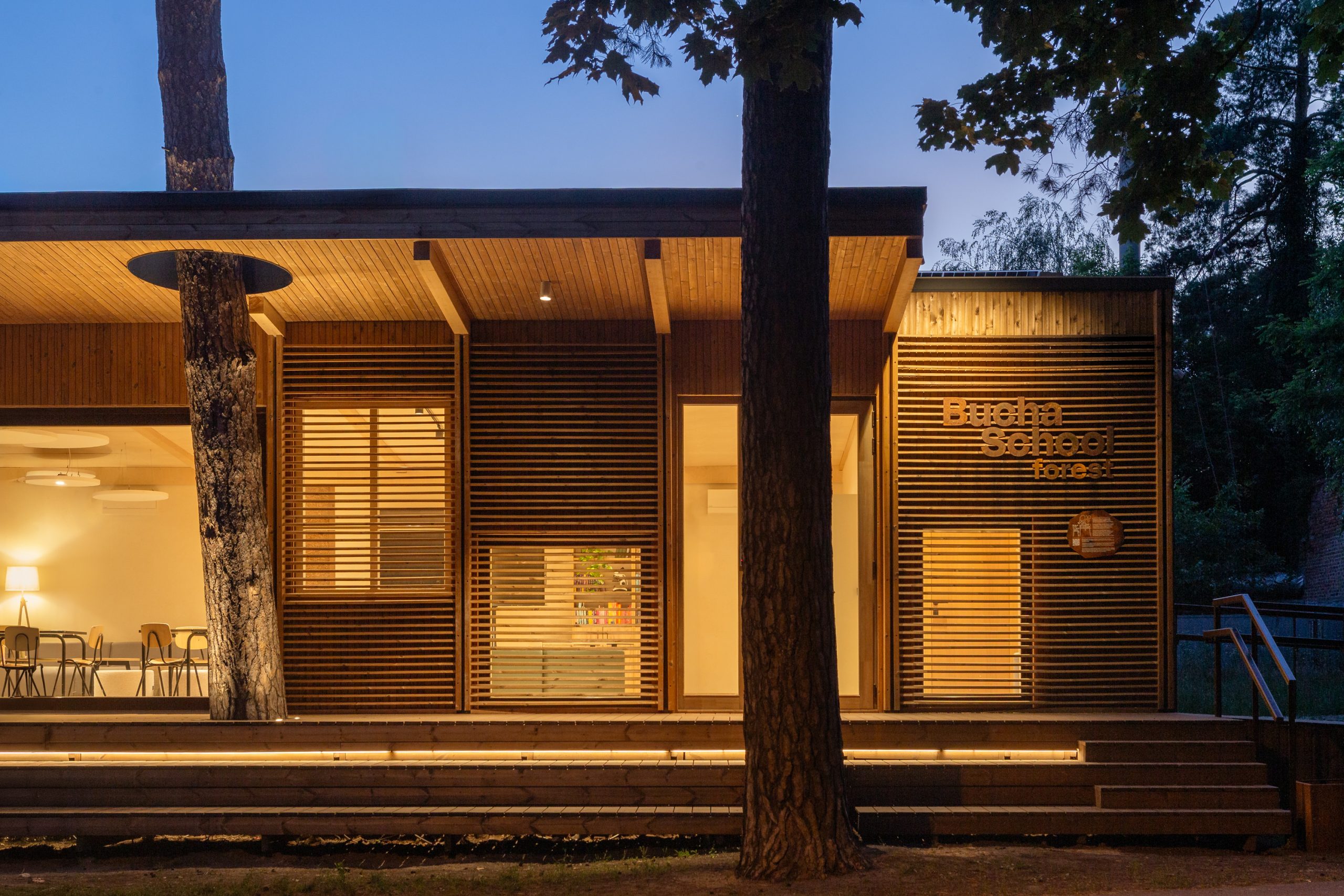
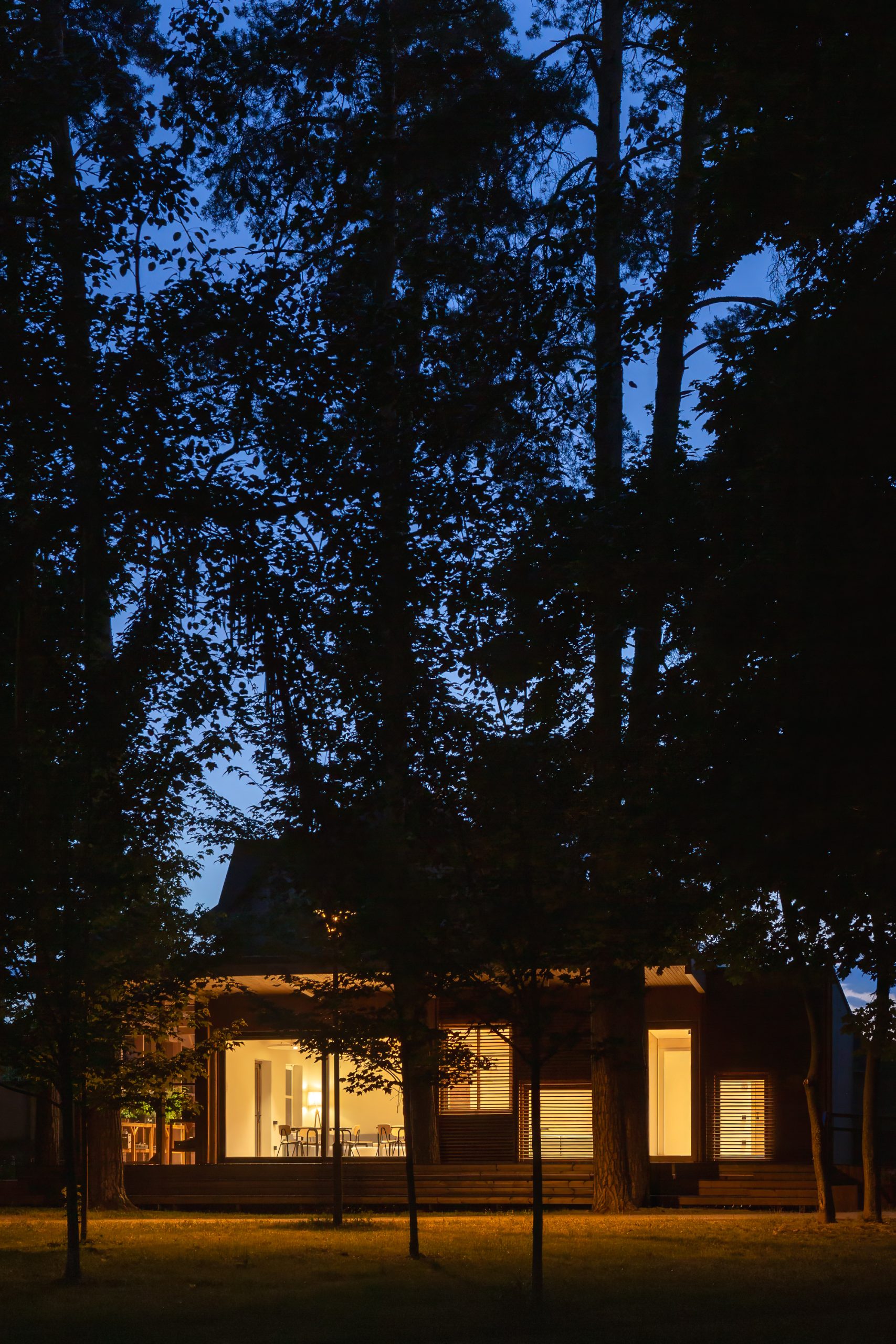
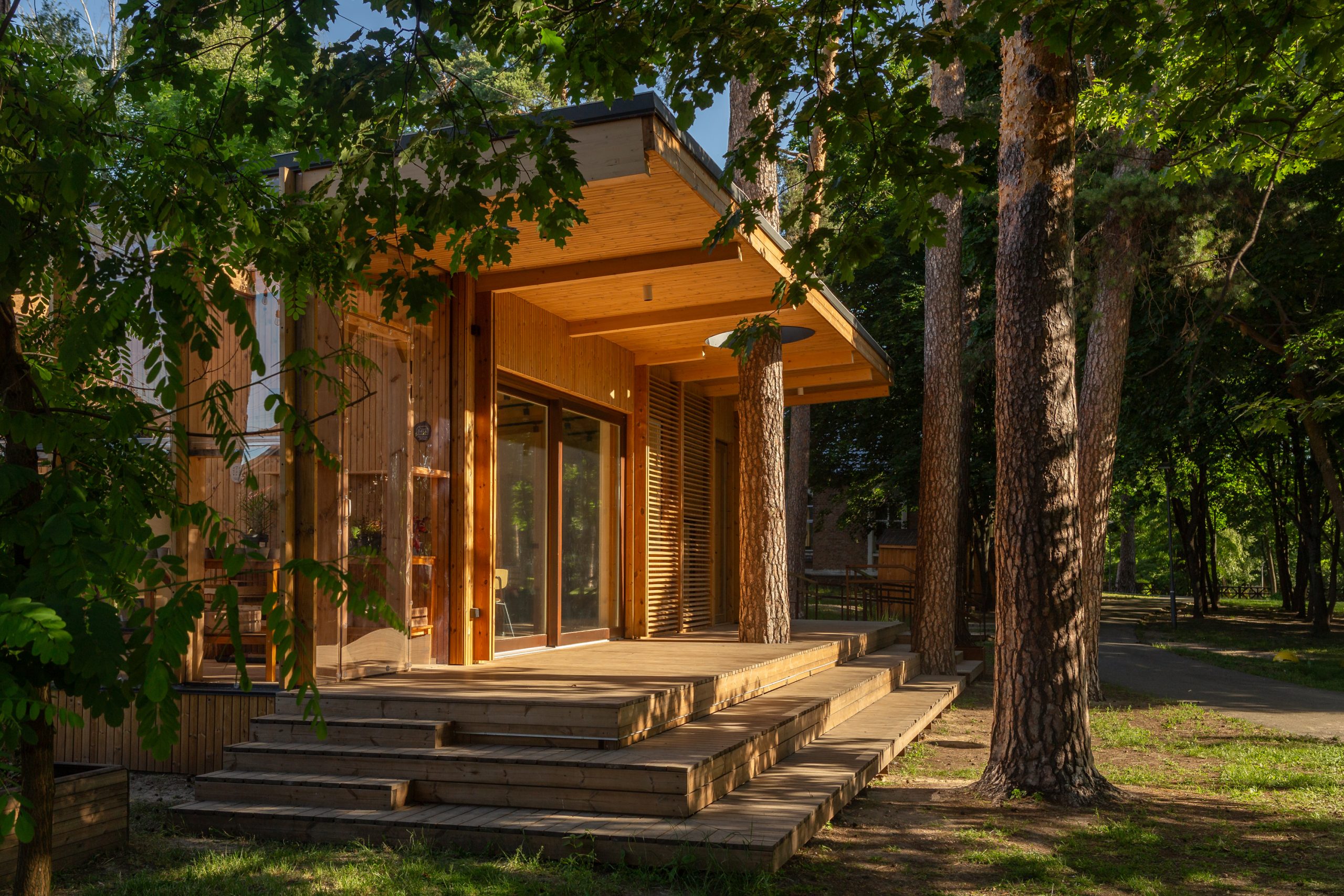
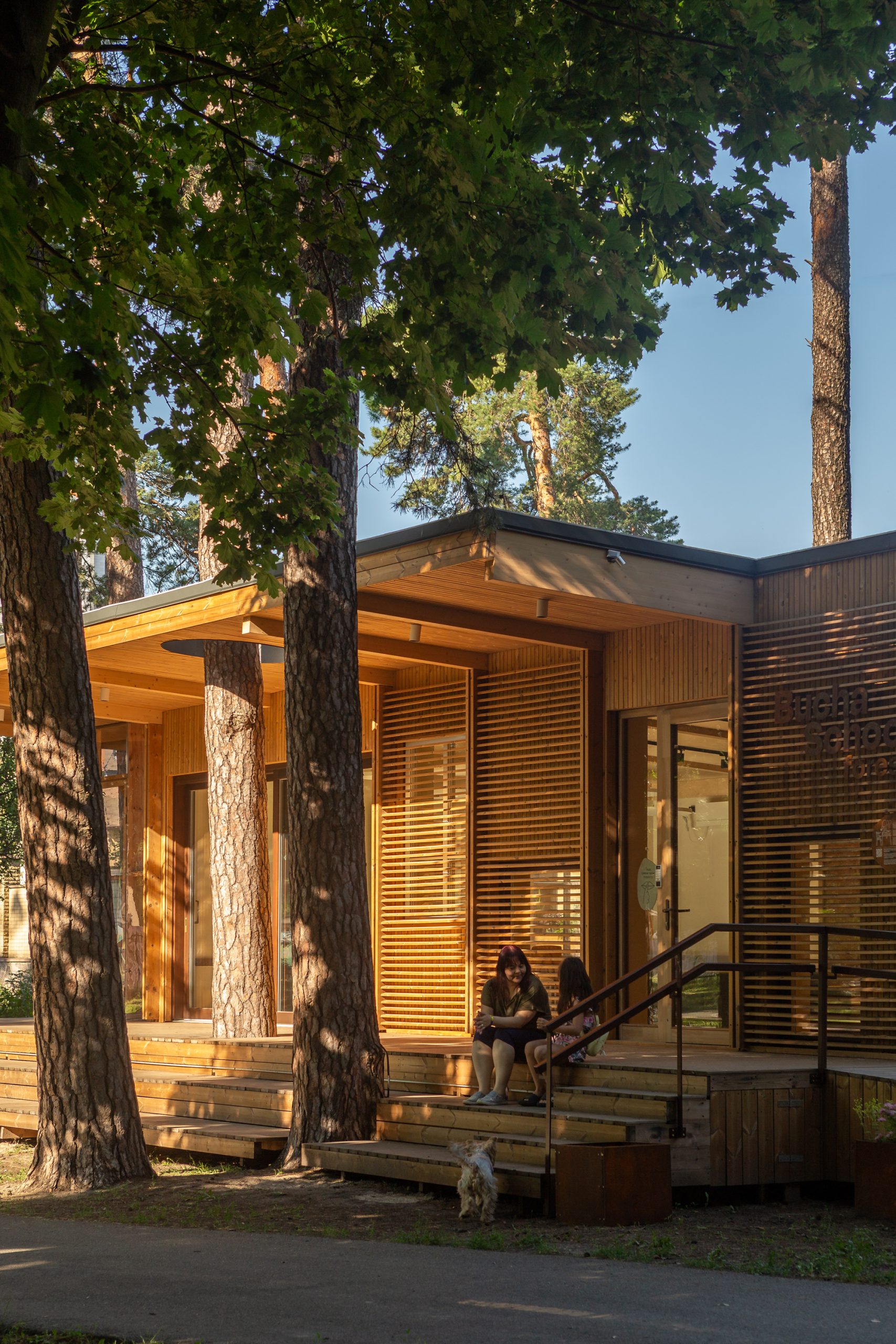
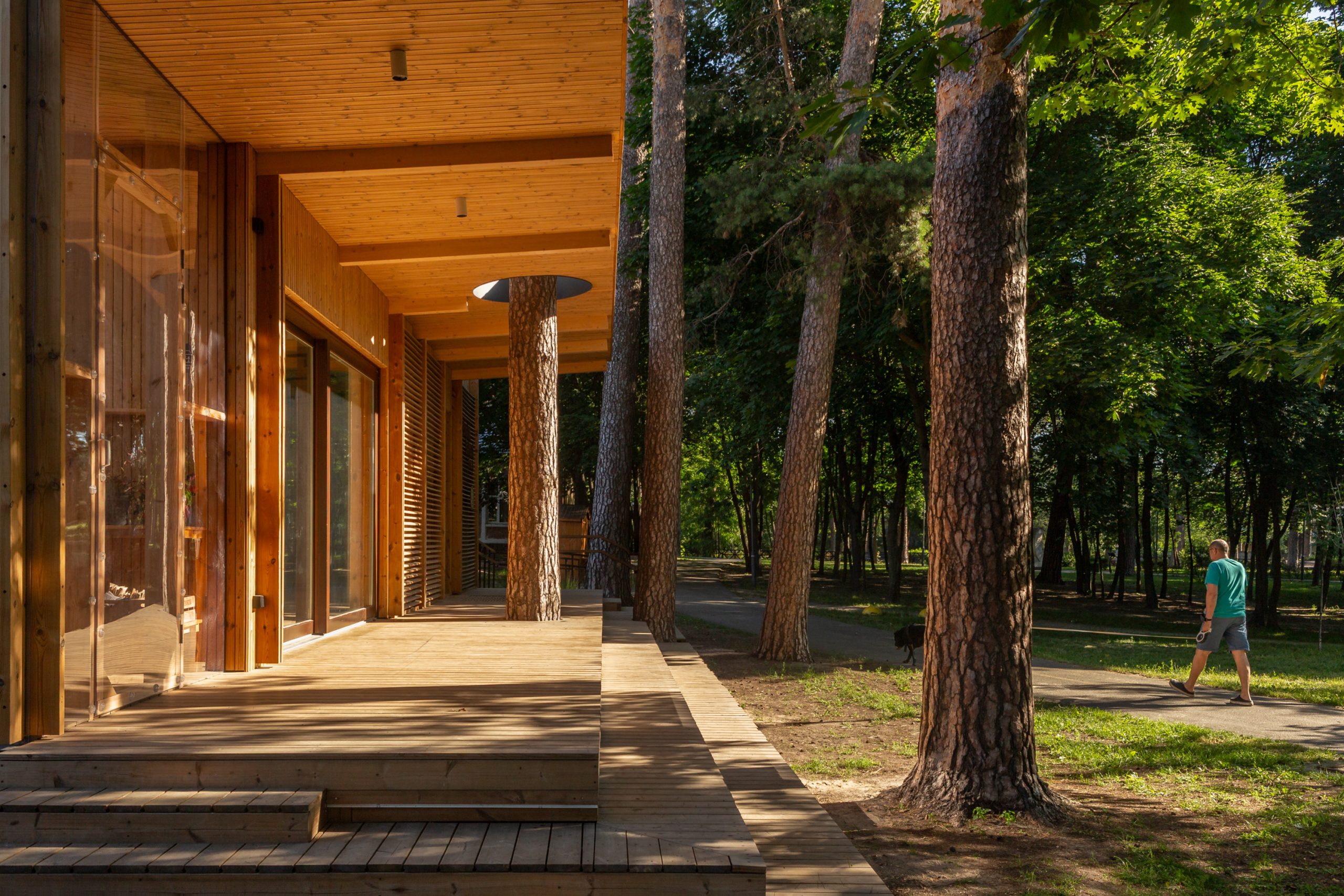
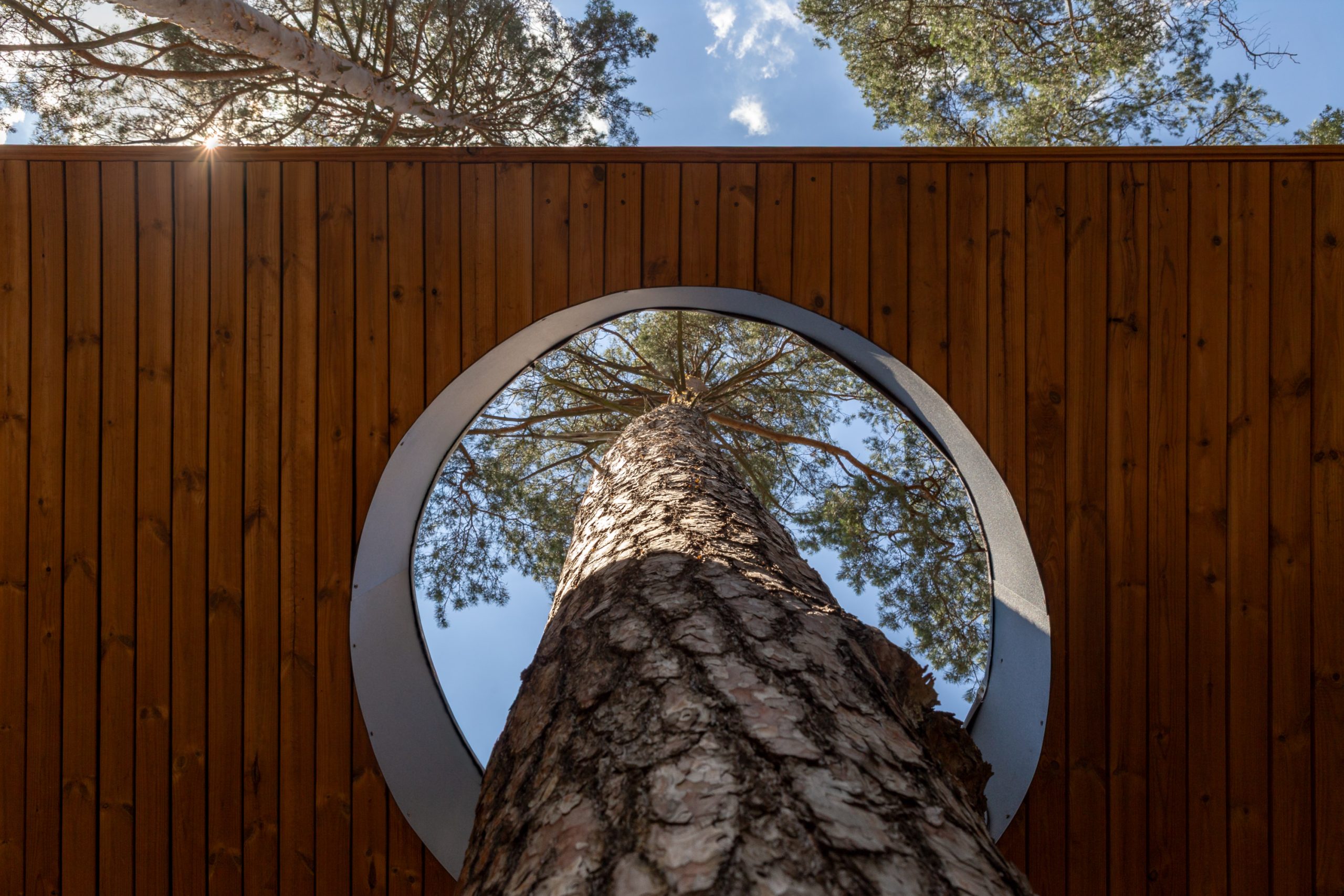
Bucha Forest Classroom is a project implemented under the New European Bauhaus (NEB) initiative, promoting sustainable, inclusive, and beautiful design. It is located in Bucha's park „Dyvo“.
The project was launched through a joint effort of the Support Fund for Bucha School and the Bucha City Municipality to address the lack of capacity in Bucha’s educational institutions caused by war-damaged infrastructure and the increasing number of internally displaced persons (IDPs) who have settled in the city. In response to these urgent challenges, the initiative aims to create a sustainable nature classroom in Bucha that provides a unique space for learning, mental well-being, and environmental education.
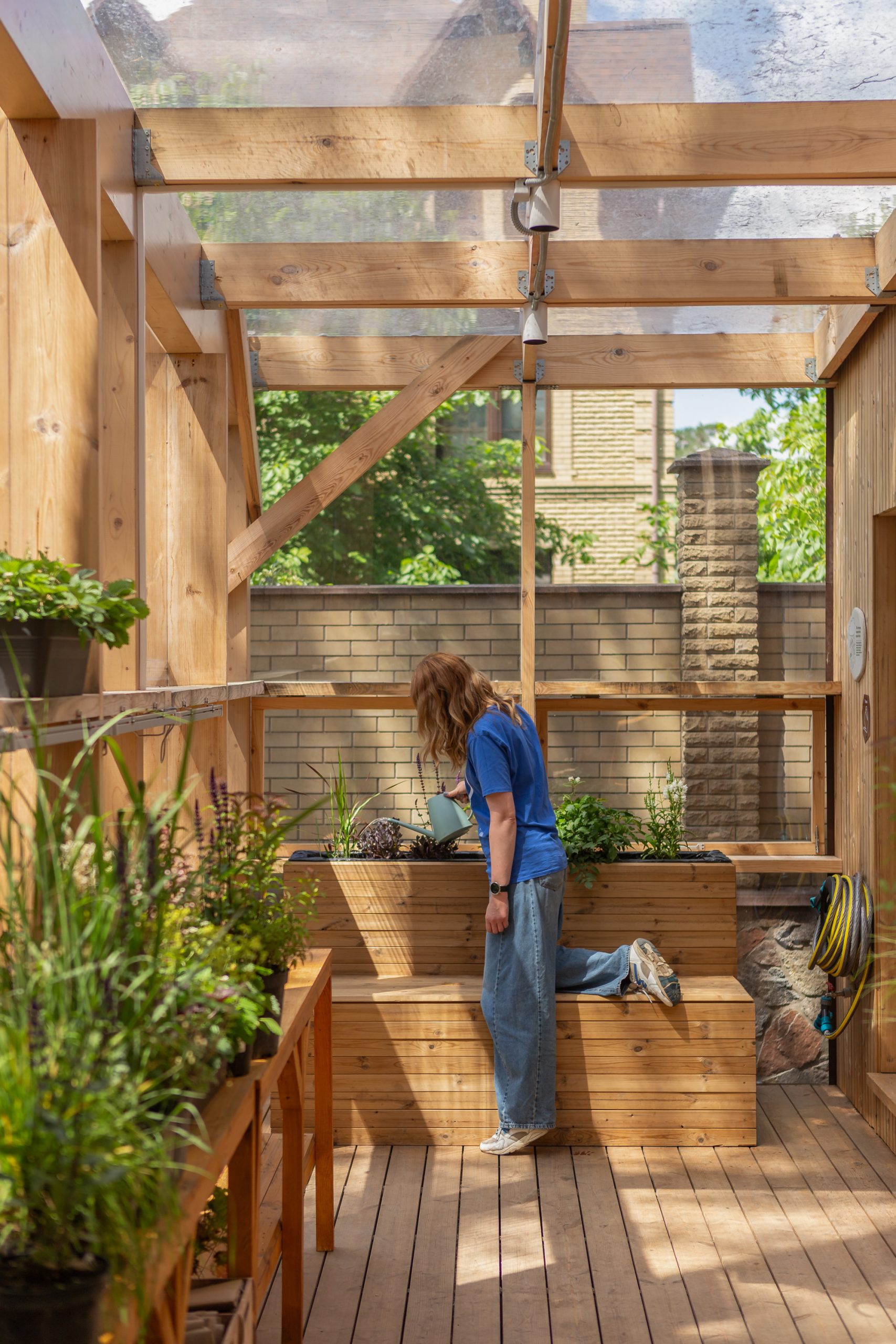
Designed as an open educational environment, the Bucha Forest Classroom serves both as a learning space focused on biodiversity and sustainability and as a community gathering place. It supports outdoor education while fostering resilience, connection to nature, and social cohesion within the local community.
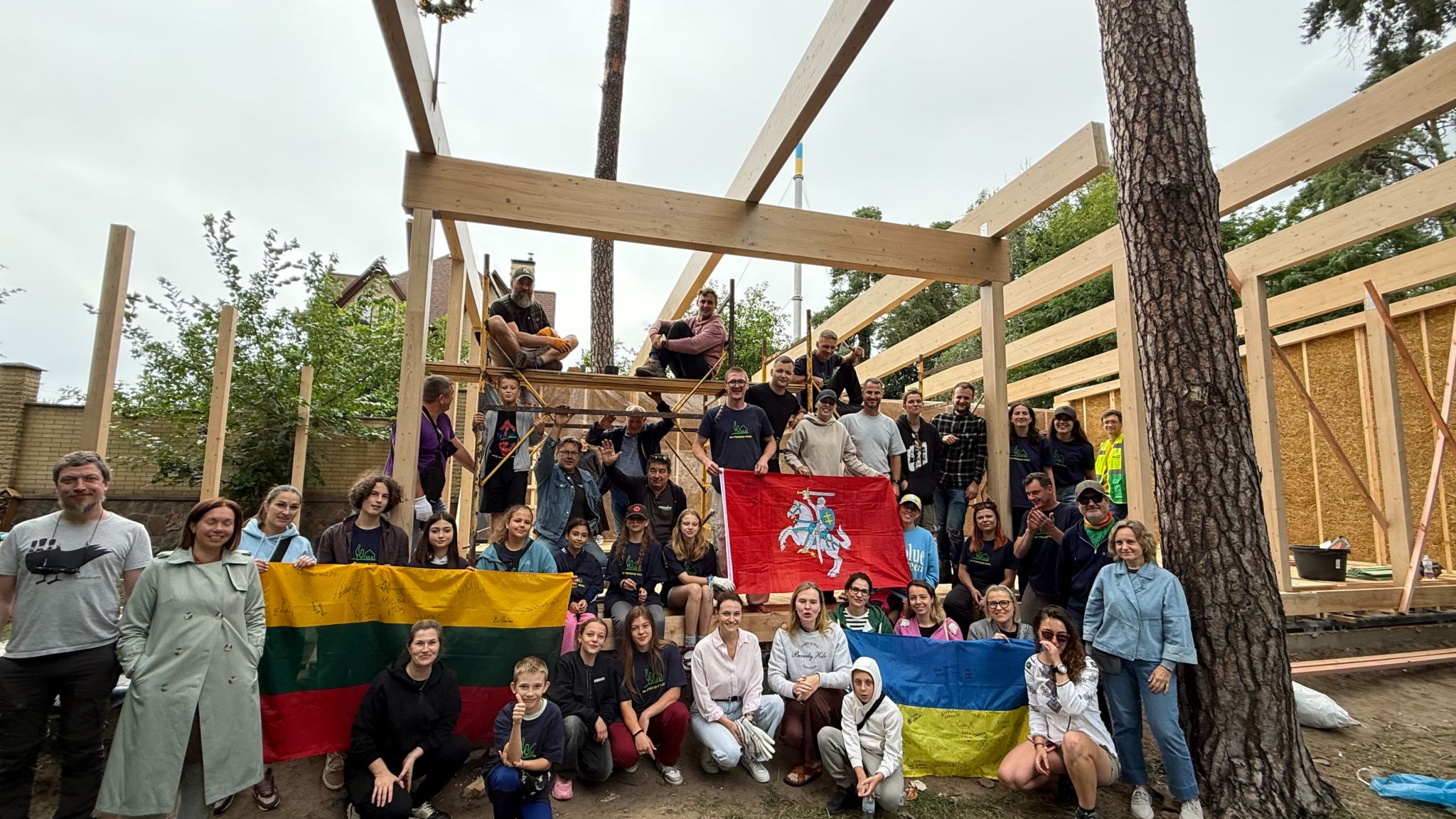
The project was implemented in close collaboration with volunteers from Lithuania and members of the Bucha community. This initiative became possible through the dedication of 160 volunteers, 323 individual donors, and the support of 43 partner companies.
-
 UNECE Forum Belgrade - Special Commendation Award
Co-create workshop, 2025 August
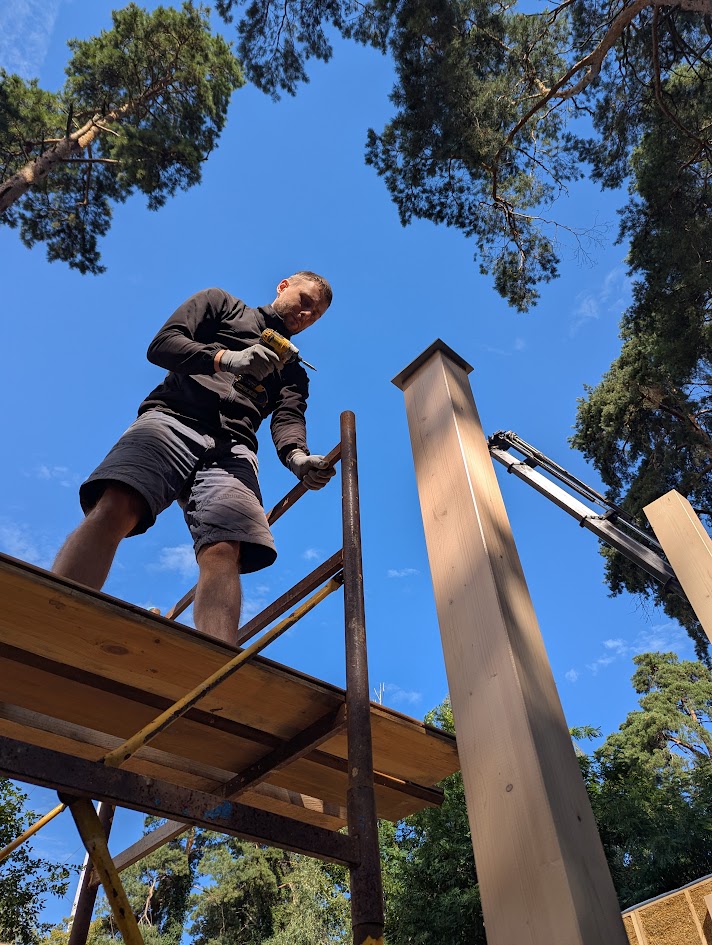
During the first workshop, volunteers from Lithuania raised the first glue-laminated timber column of the project, donated by Jūrės Medis
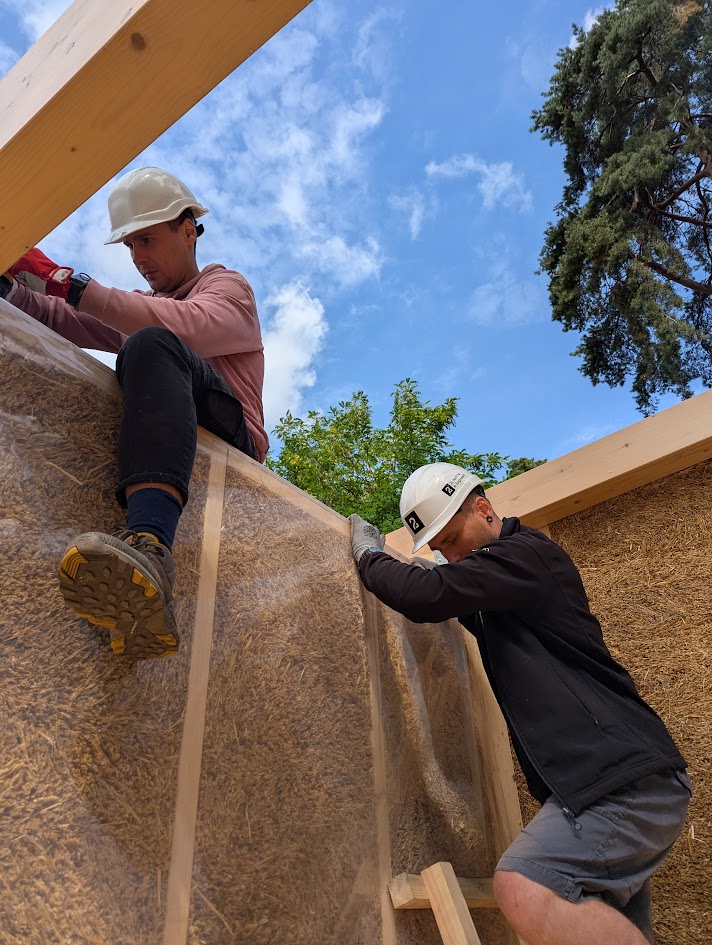
The next day, the very first straw wall panel donated by Modulina was assembled
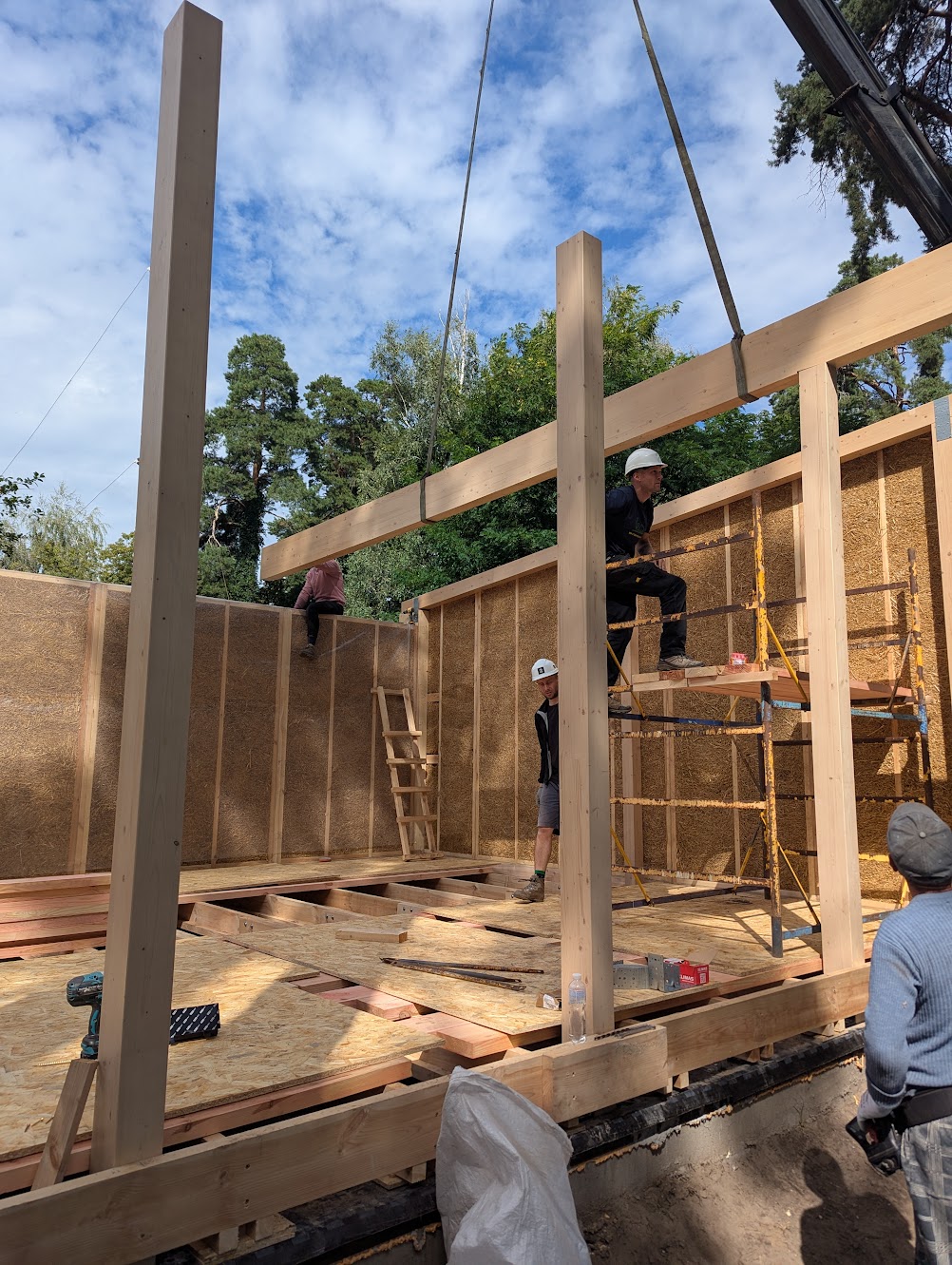
Soon enough, every straw wall
panel was in place, marking a major
milestone accomplished in just a single day
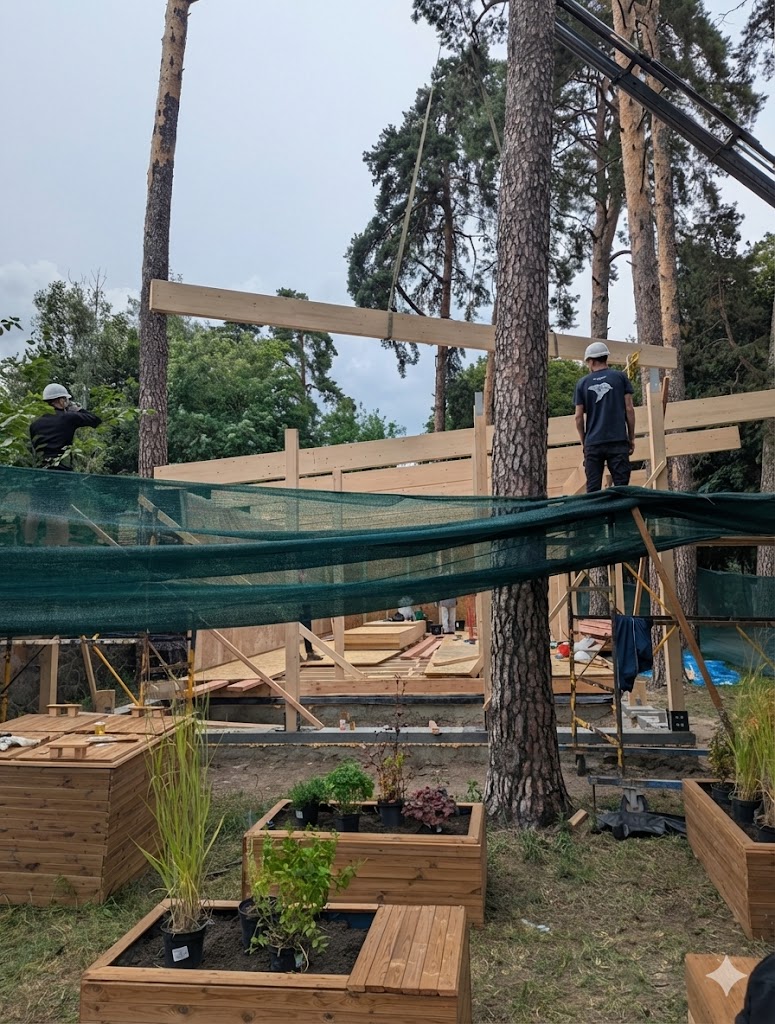
After a few intense days of work, the the classroom's full outline began to take shape - made possible by the tireless energy of the volunteers and the Bucha community
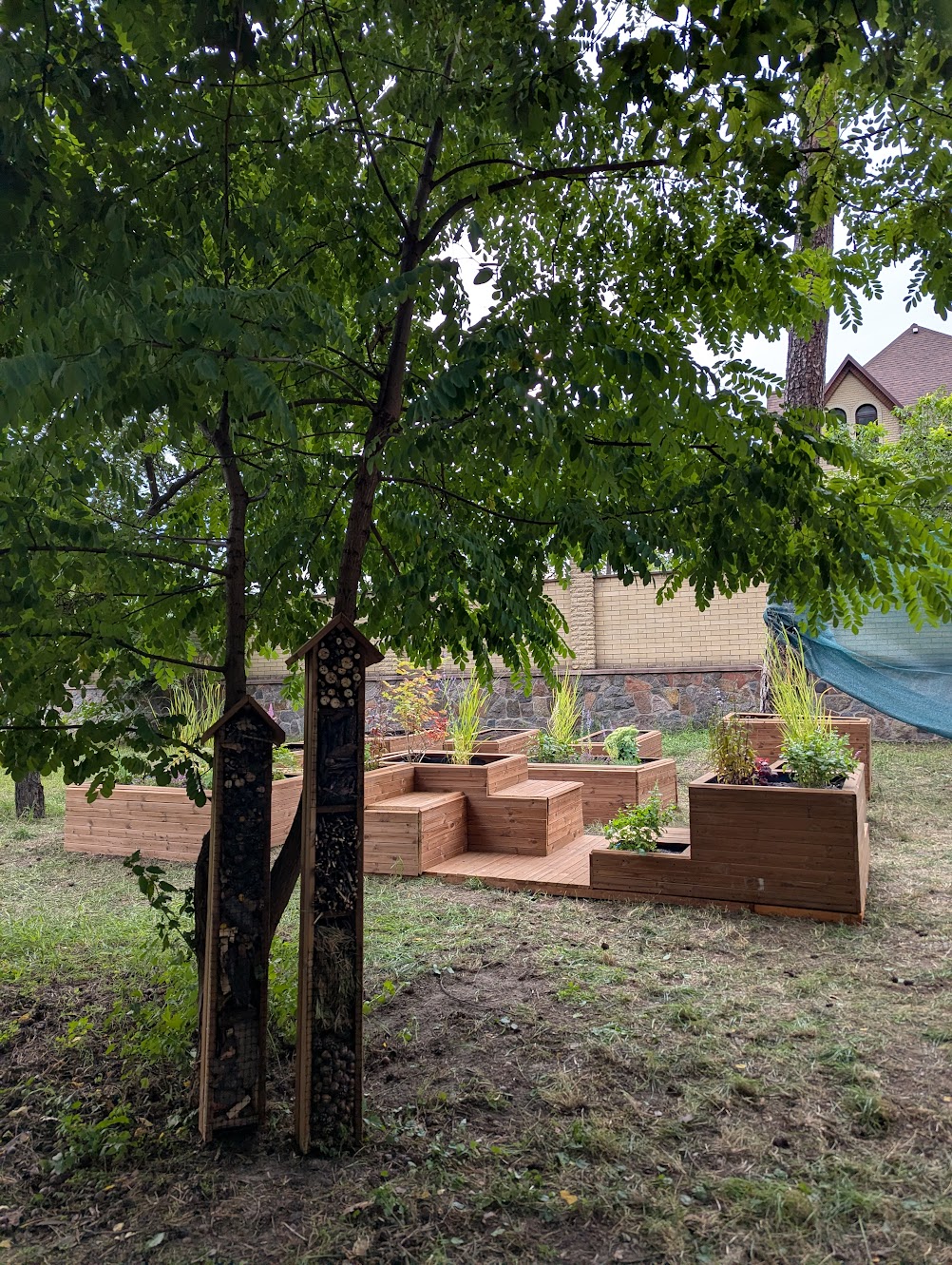
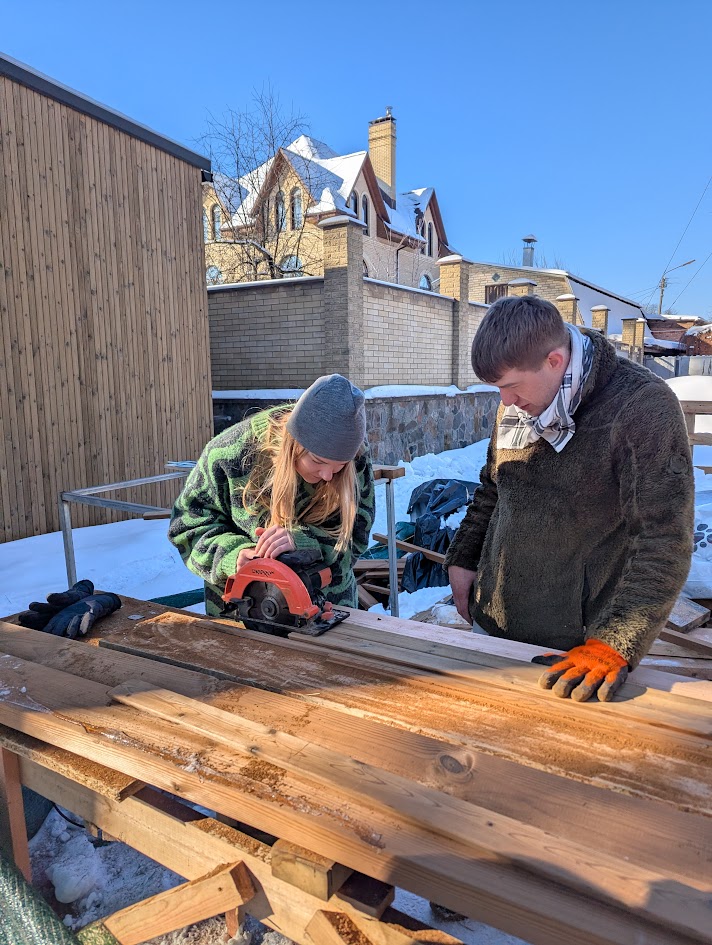
Meanwhile, thermo-wood products, donated by Brolis Timber, took on a creative twist: by
the end of the day, volunteers had turned them
into eight raised plant beds, two bird houses, a
bug hotel, and several waste-sorting boxes
Co-launch workshop, 2025 October
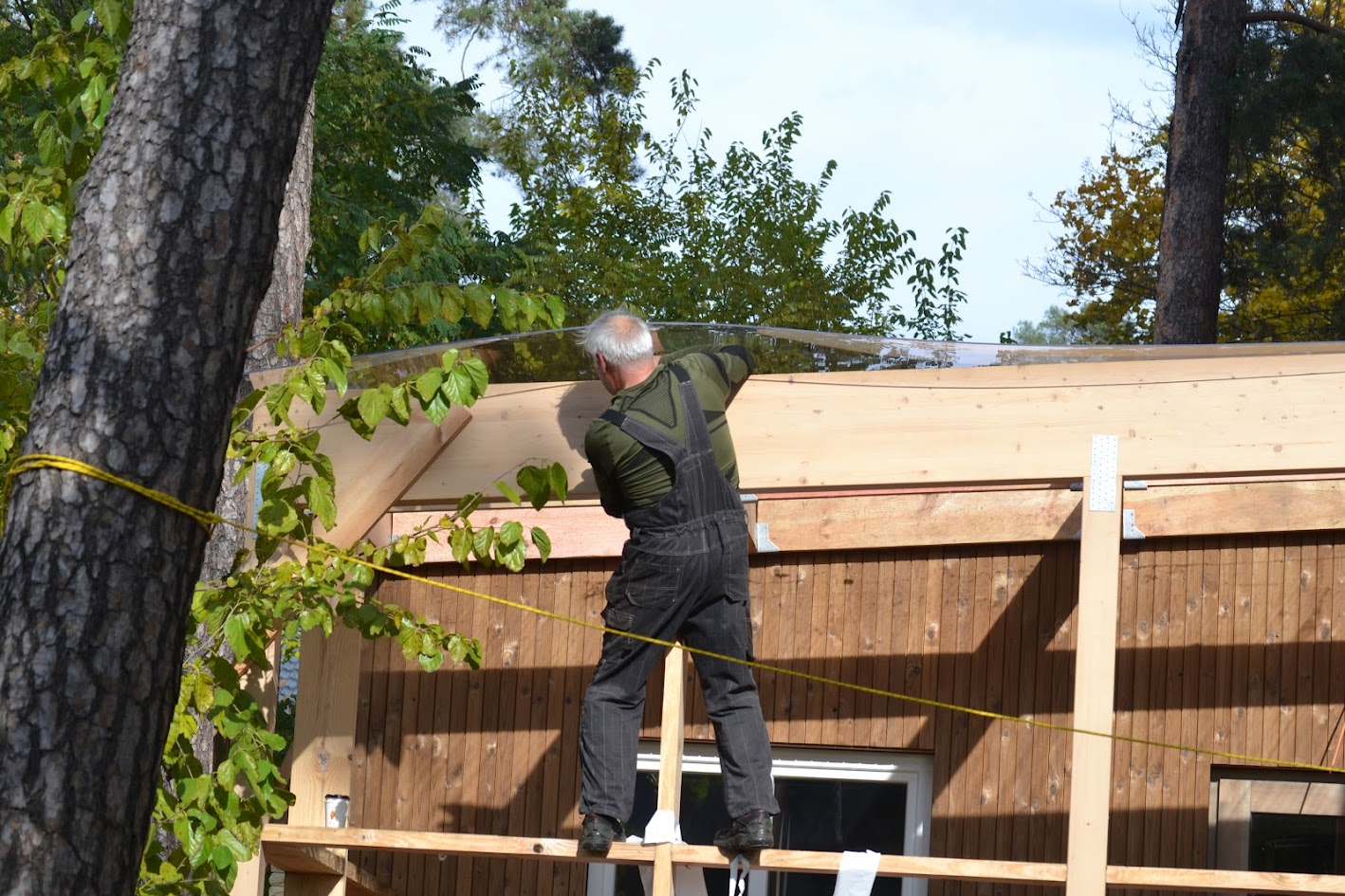
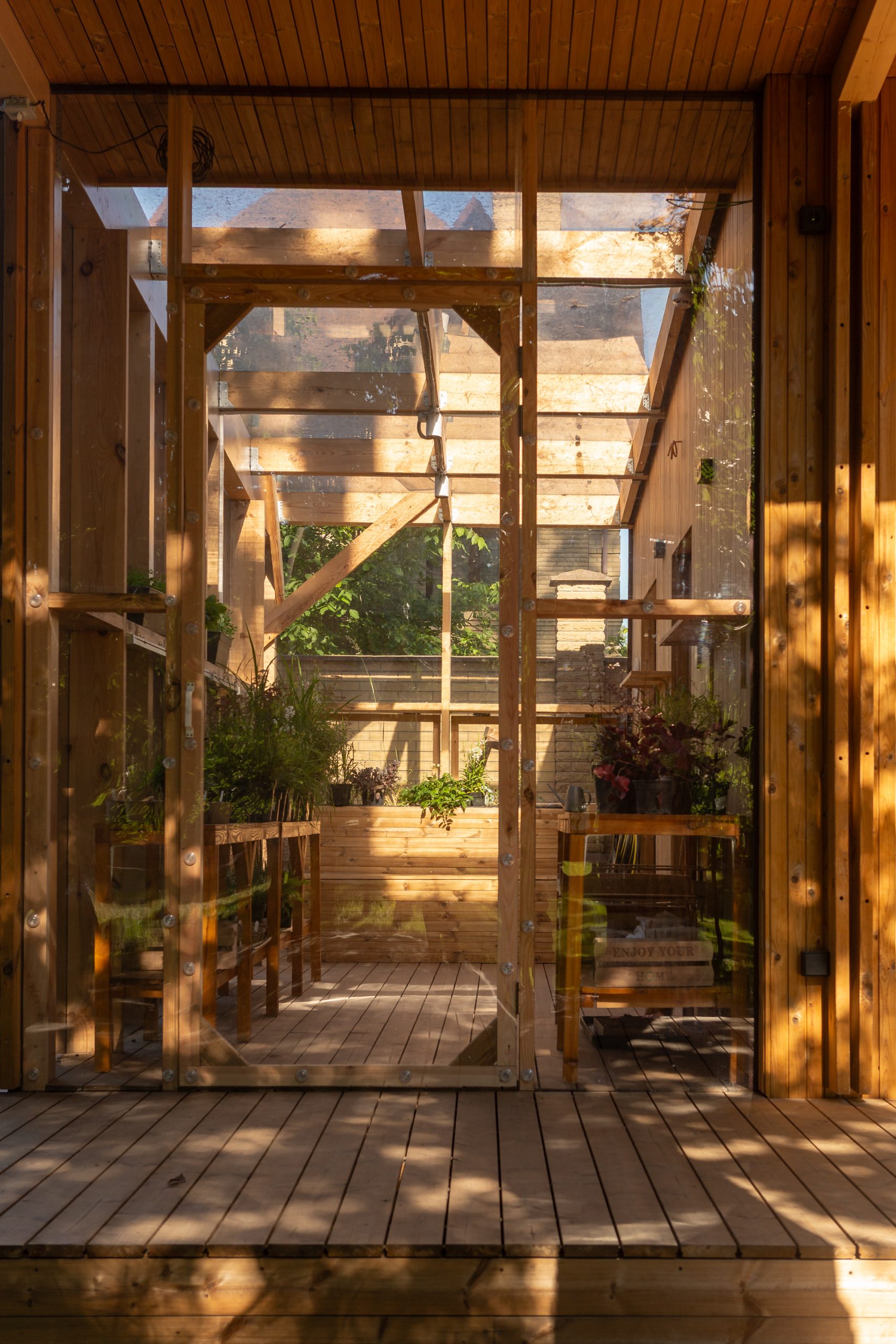
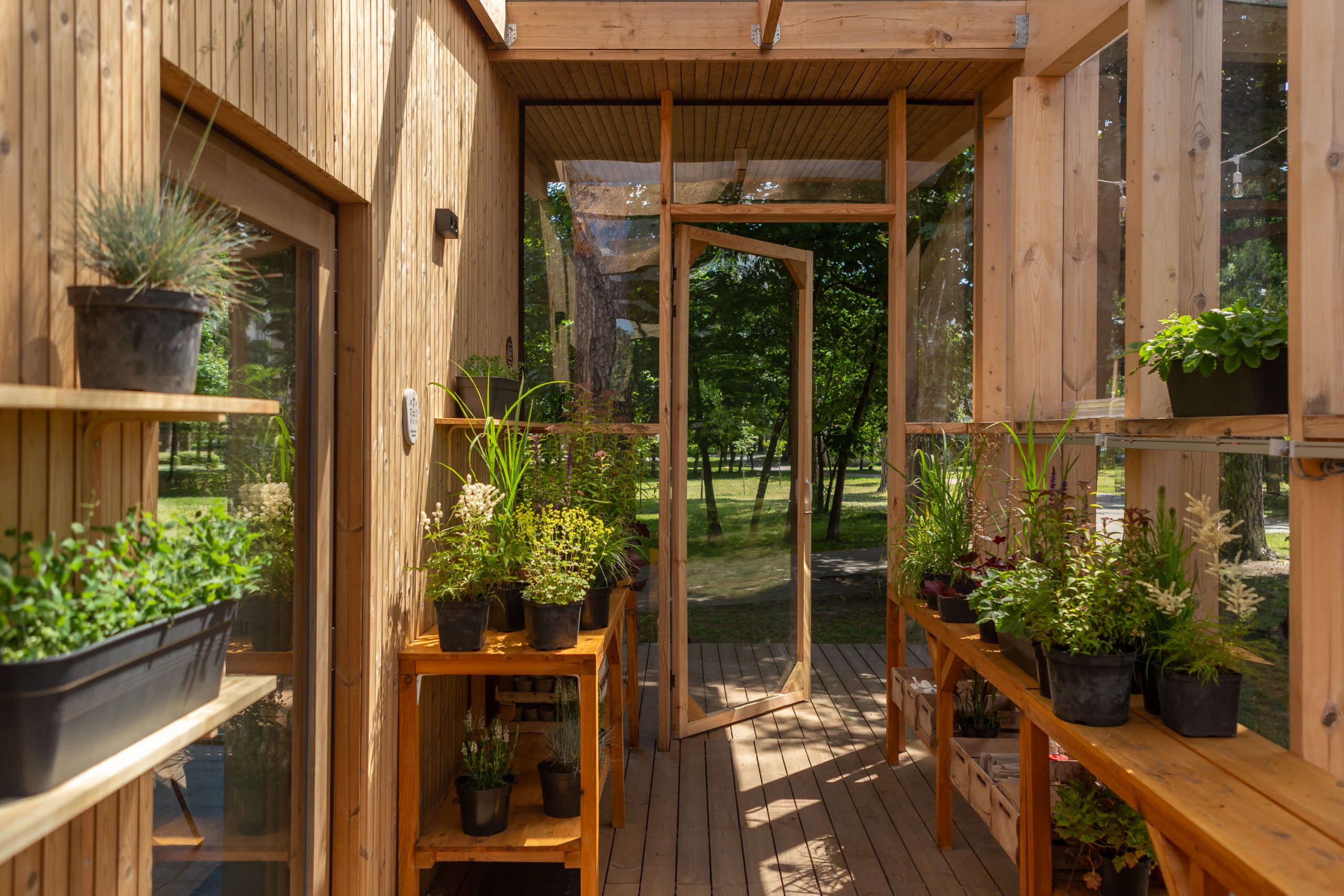
Upon the second volunteers’ trip to Bucha, new tasks were waiting — one of them being the mounting of the monolithic polycarbonate sheets for the greenhouse façade and roof
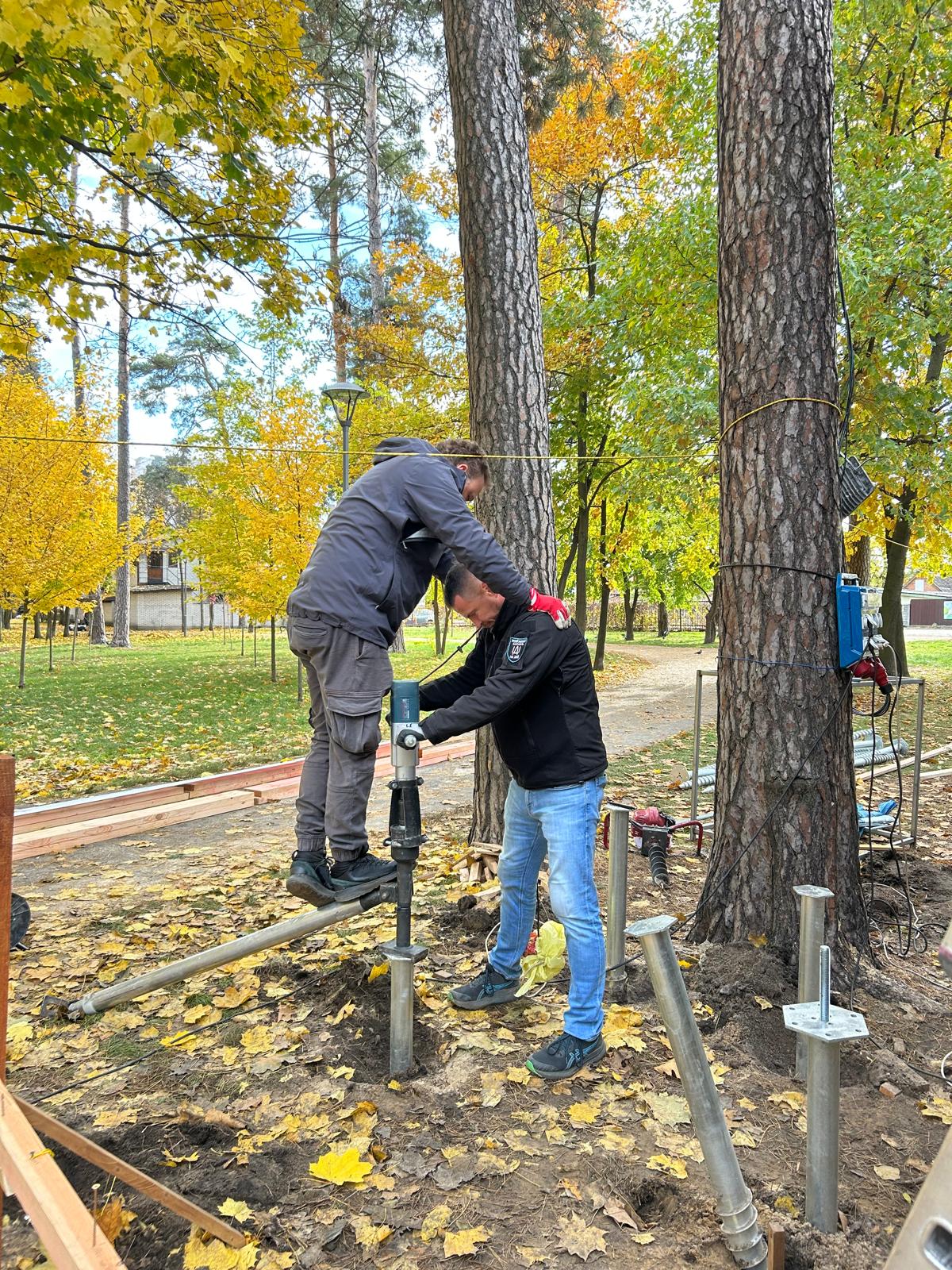
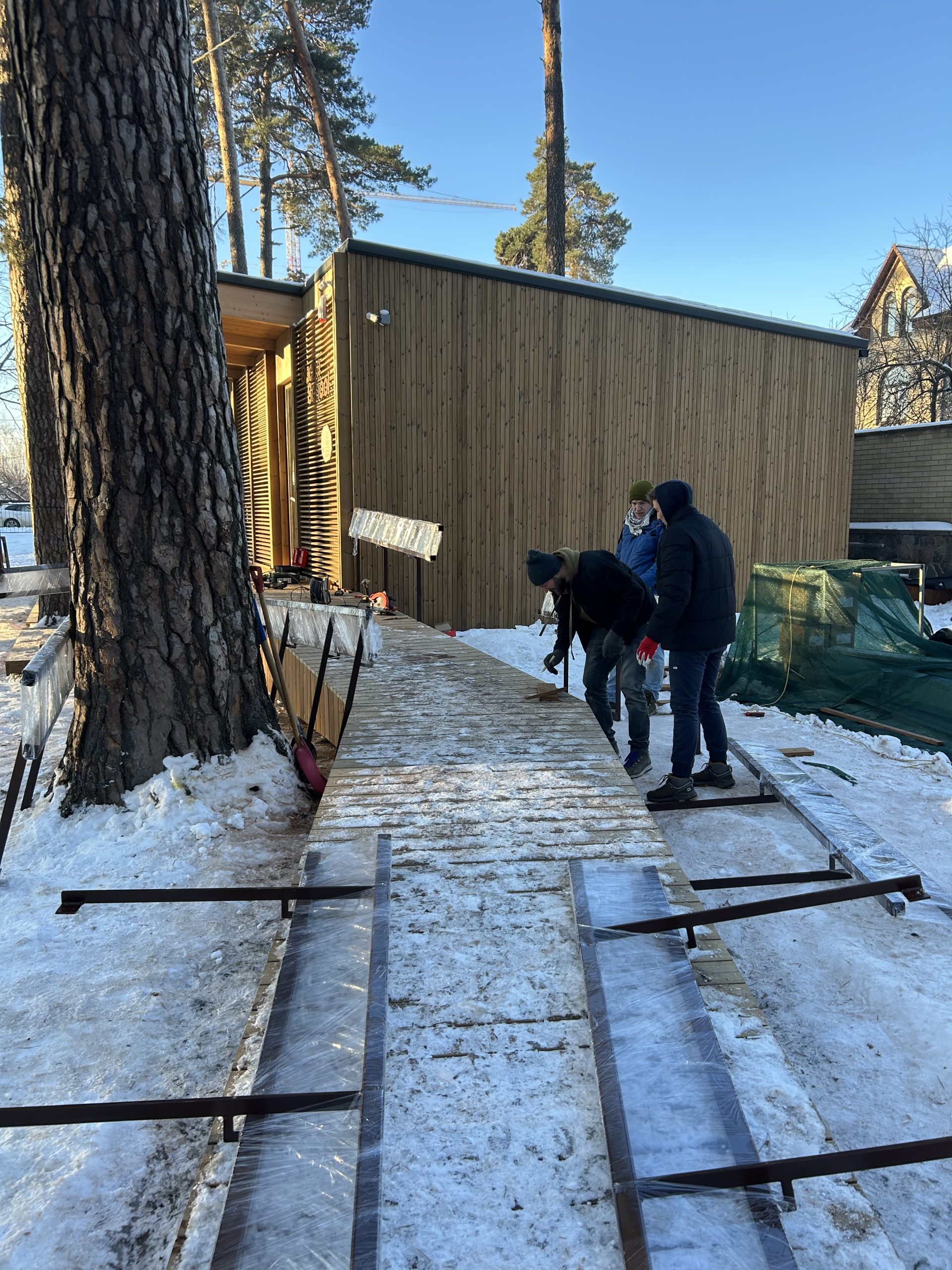
Another huge task was to prepare the poles for the outdoor terrace. The team worked non-stop to make this happen in just two days
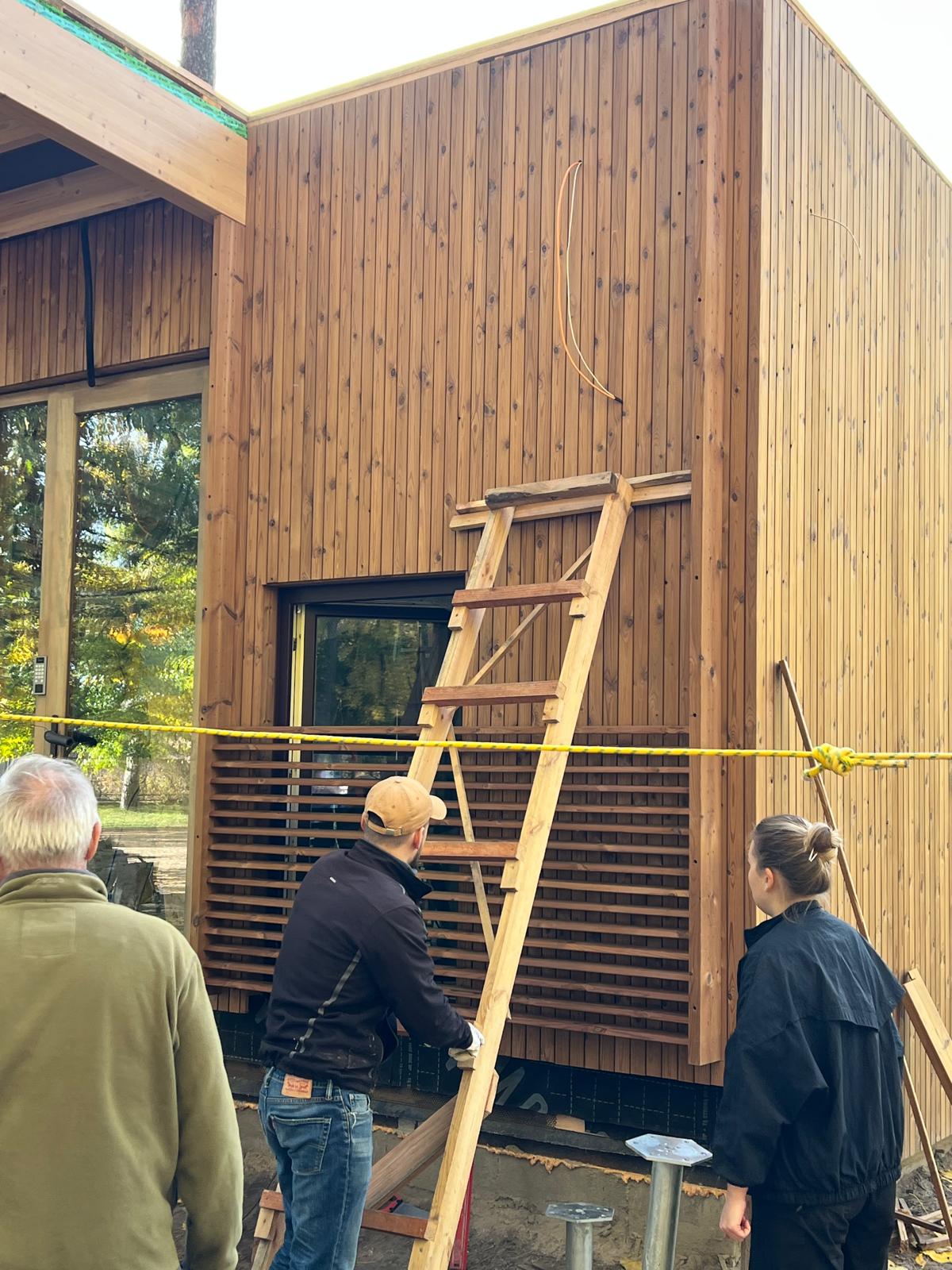
The team also carefully installed thermowood façade finishings - ensuring durability, precision, and a clean final look that complemented the overall design
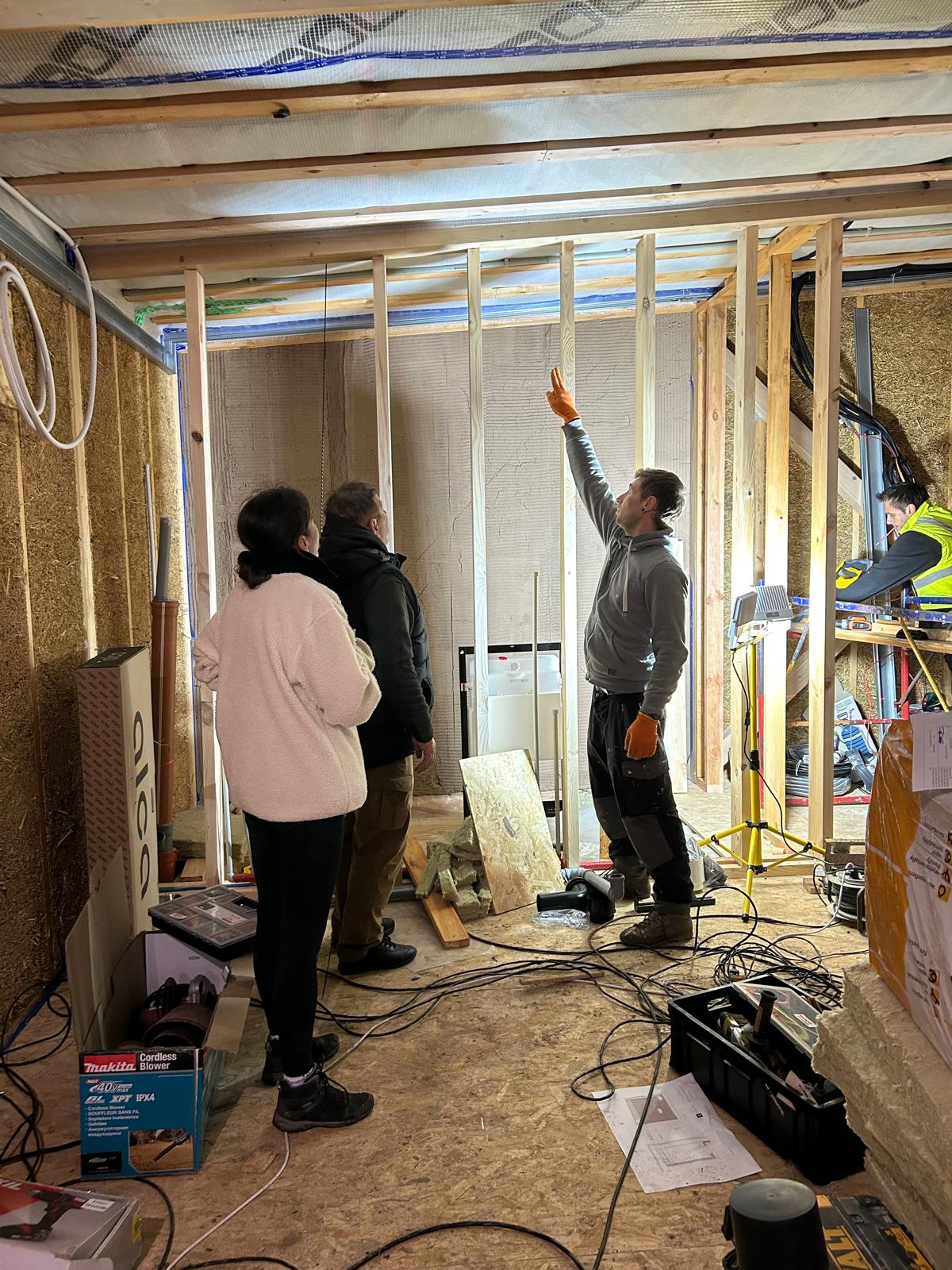
The interior of the classroom was also being developed rapidly — gypsum board partitions were being installed, and the furniture for the greenhouse was being assembled
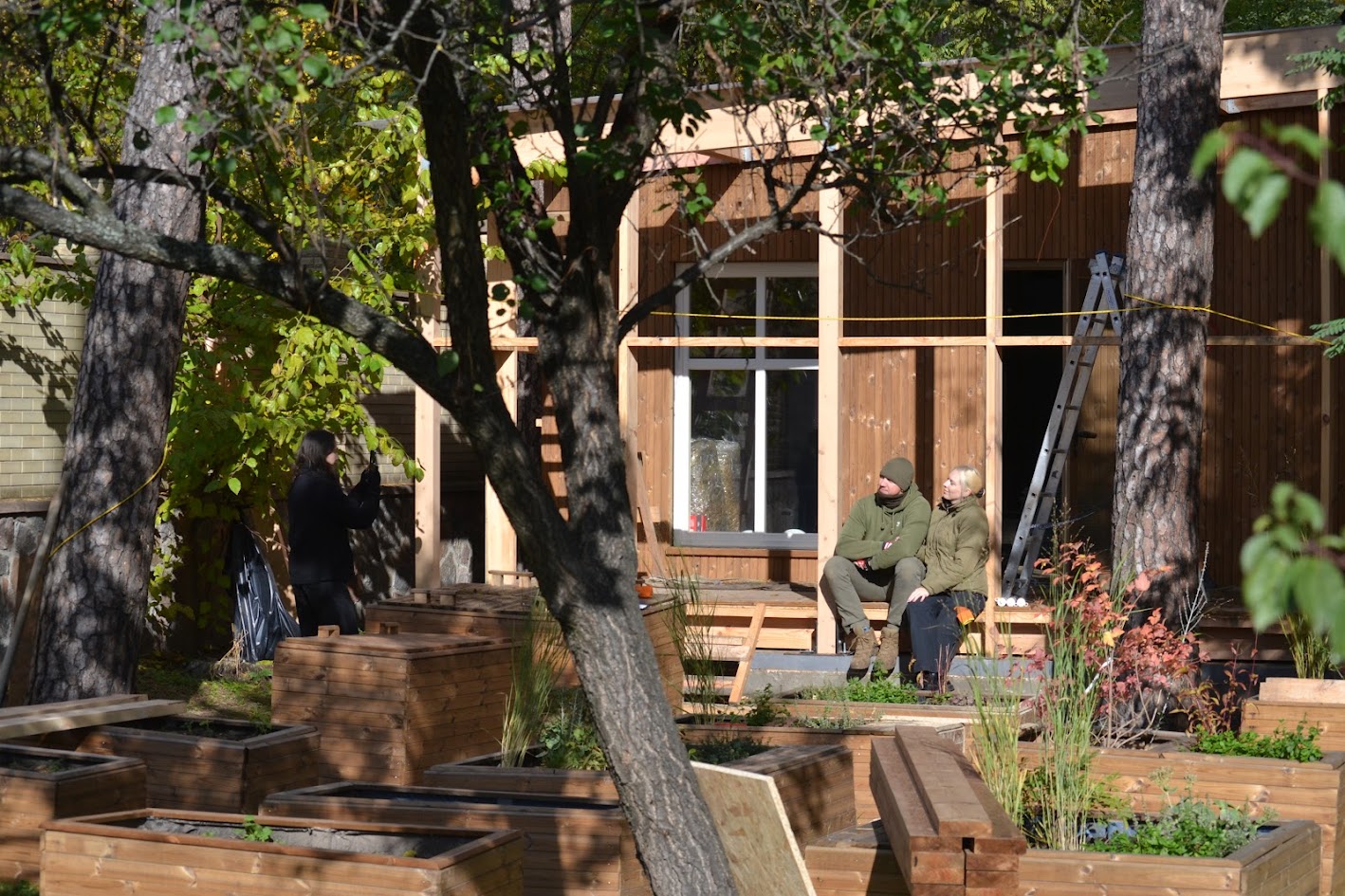
By the end of the second workshop, the classroom was beginning to look more and more like what we had envisioned. However, many tasks still lay ahead
Opening workshop, 2026 February
Sustainability Ideas
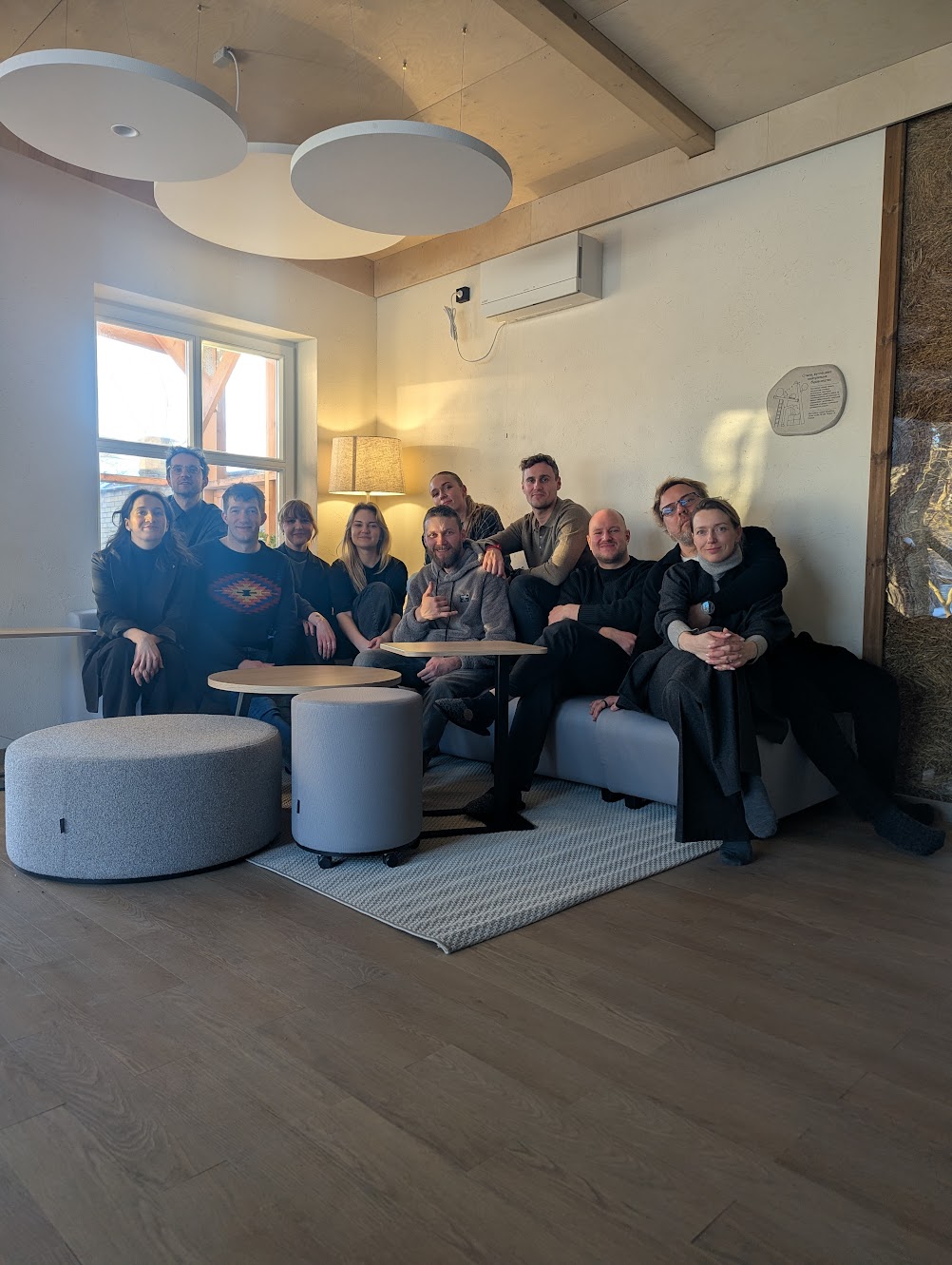
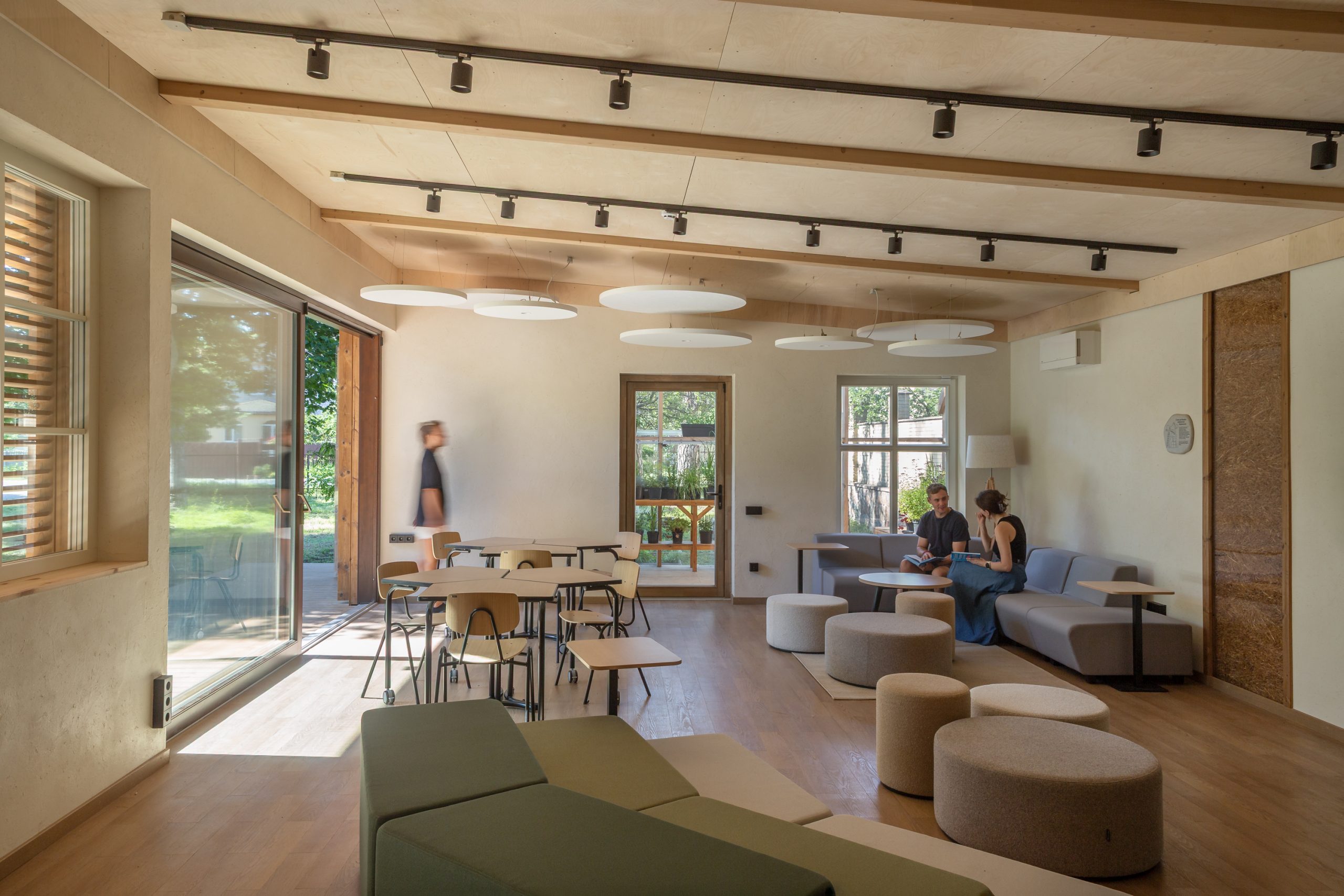
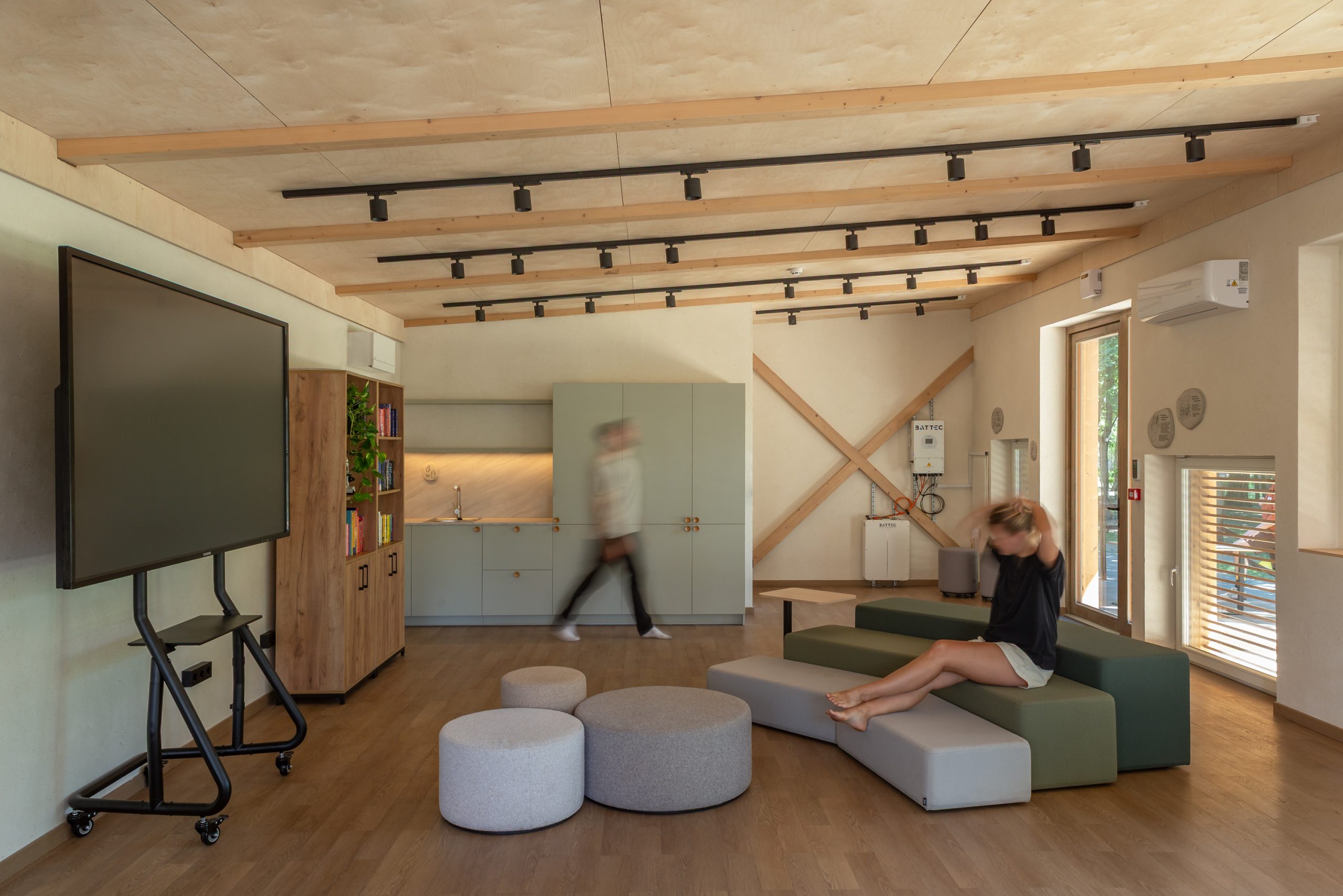
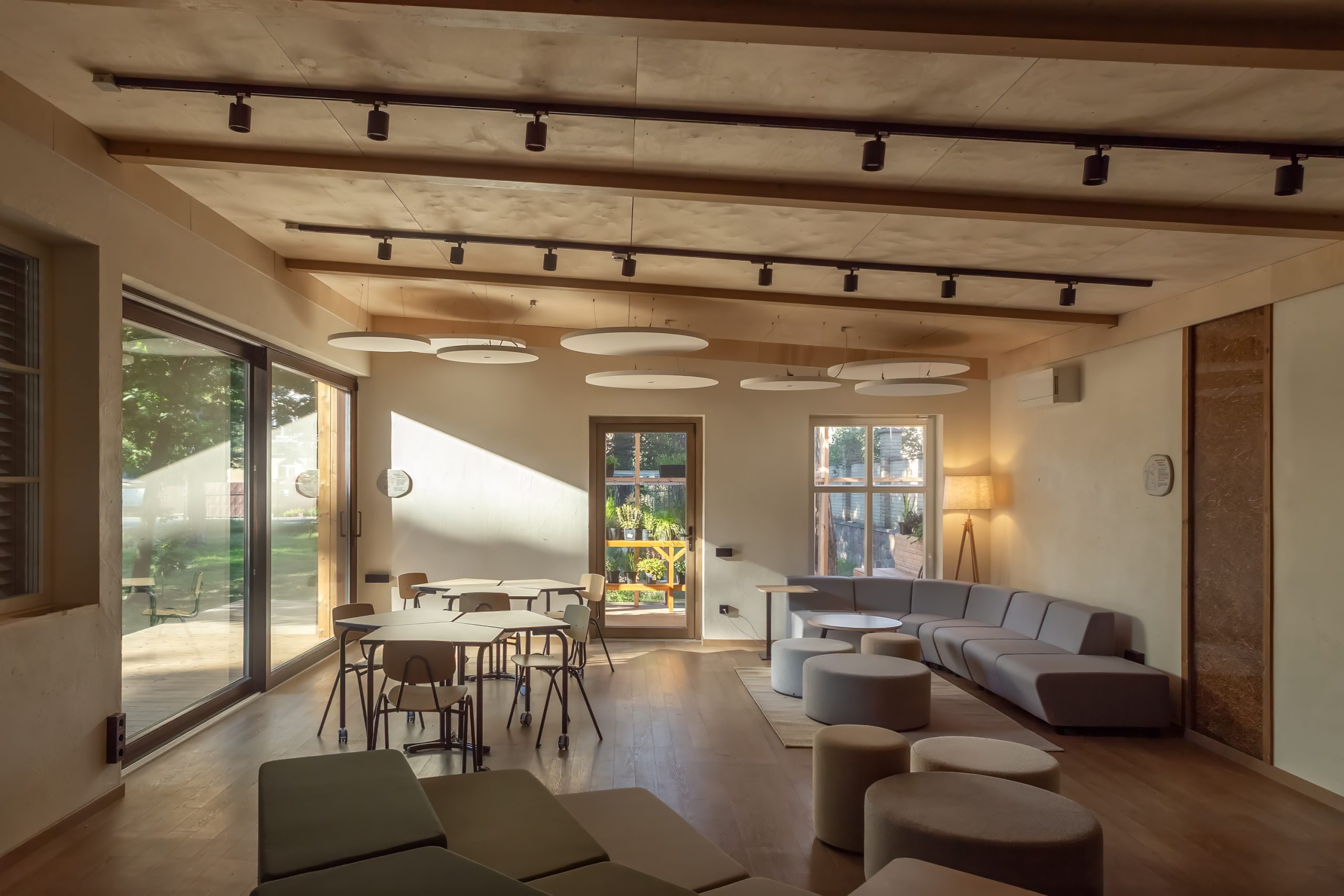
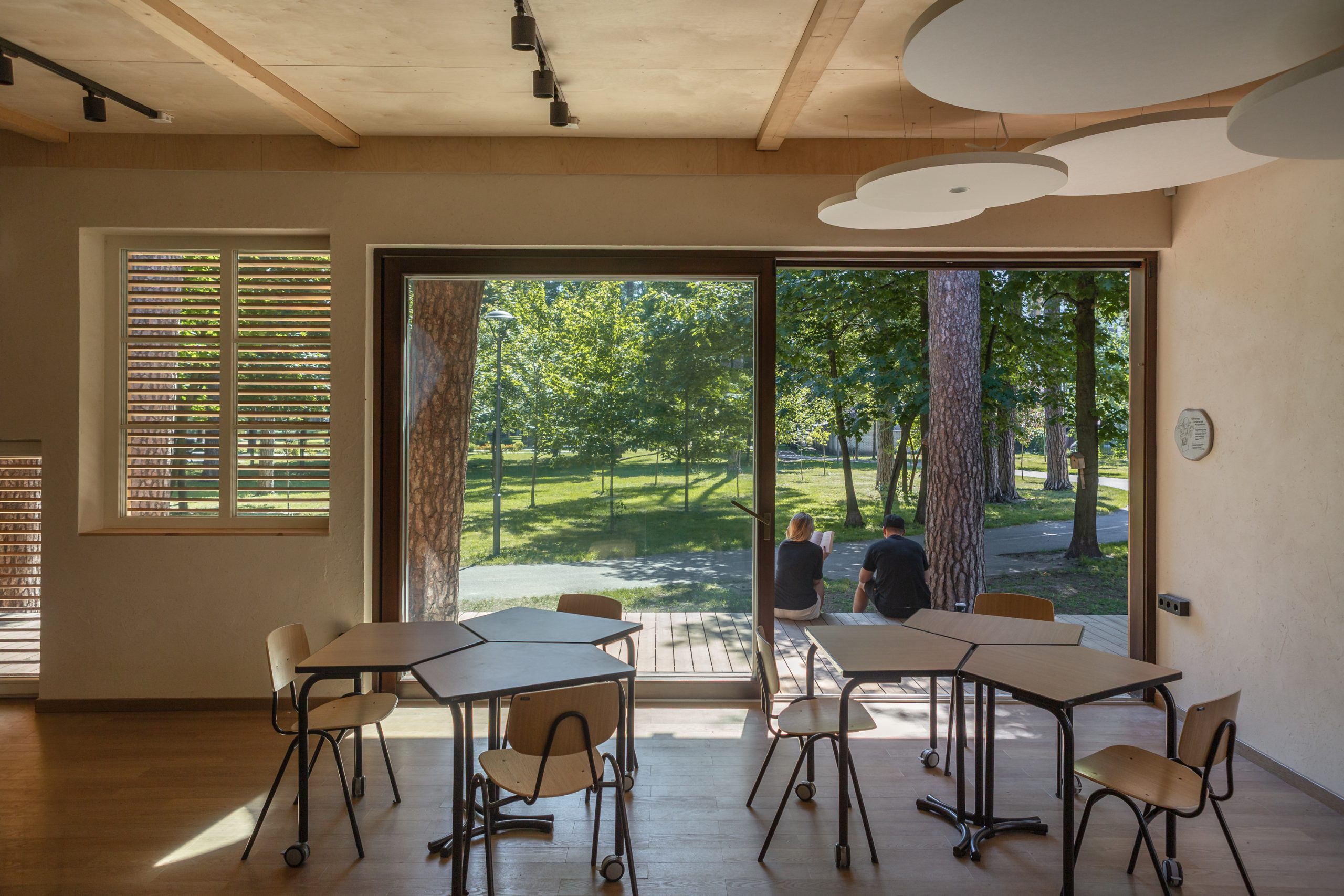
Interior and furniture solutions makes this tiny house into open space classroom or community meeting place. Materials are provided by Vauksa, Rockfon, Saint-Gobain, Linea, Medžio stilius, Woodline and Dangų studija.
Furniture is provided by Narbutas, ISKUU. Corten flower beds by Overbend, information signs by Taktika and illustrations by A.Bran.
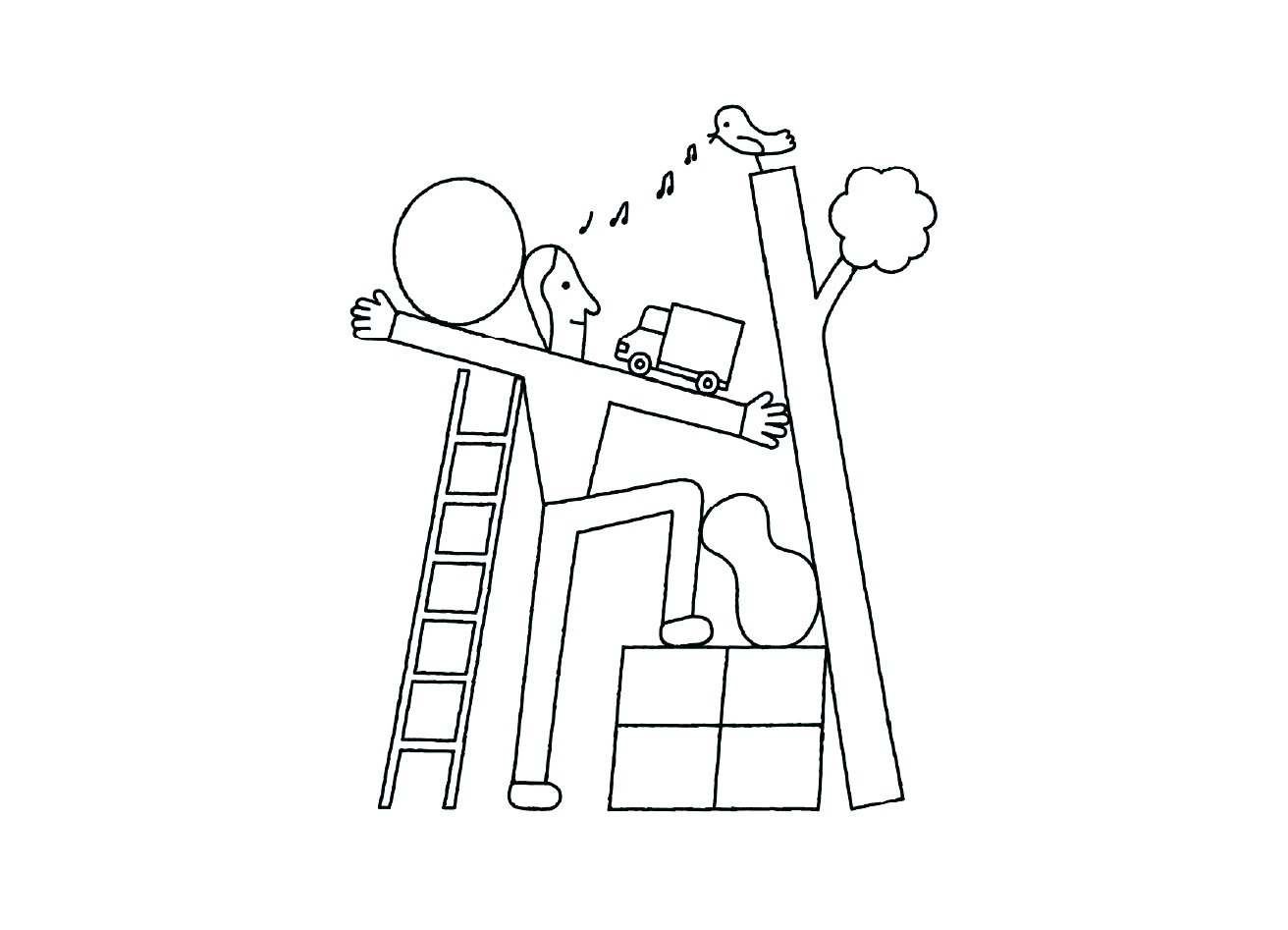
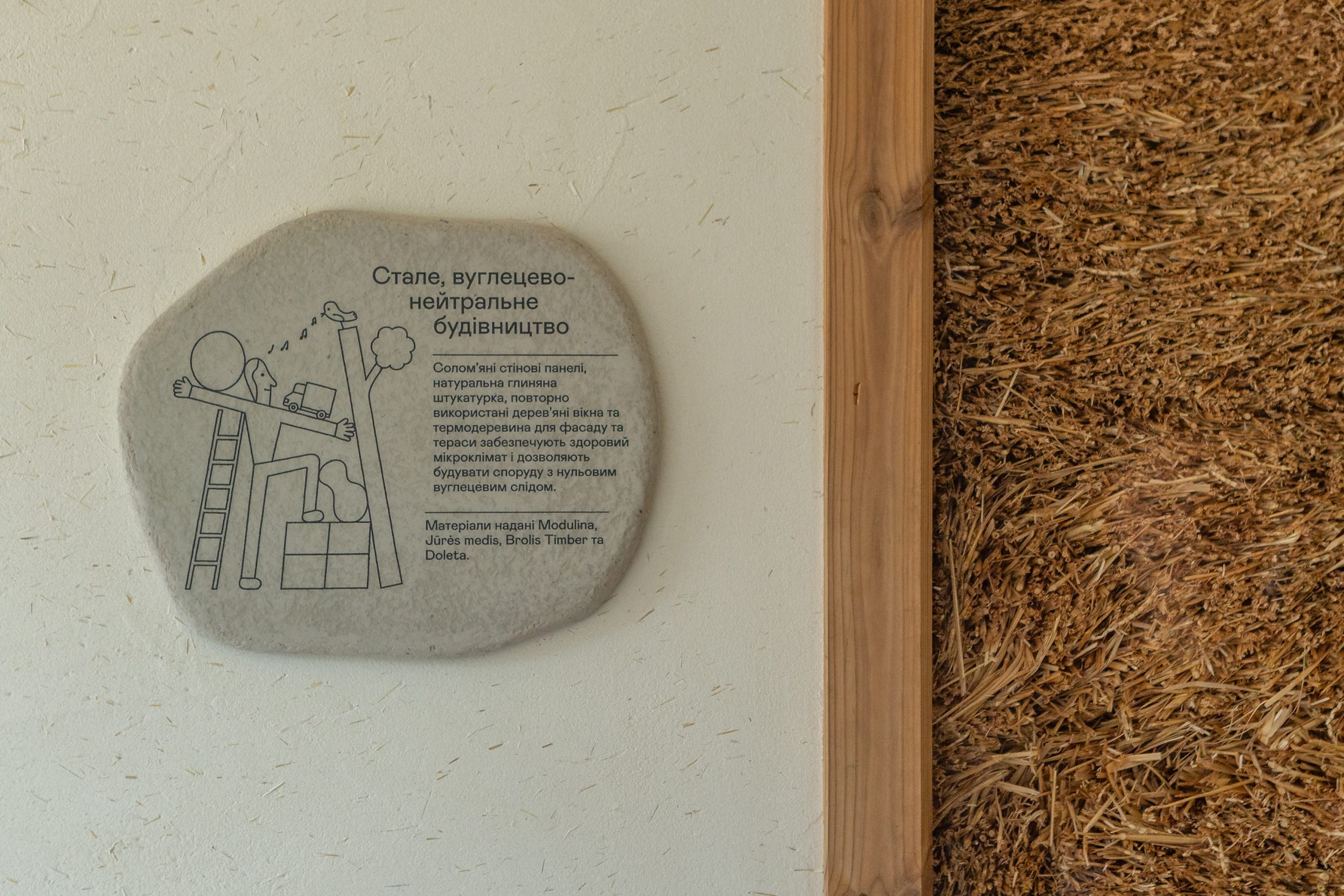
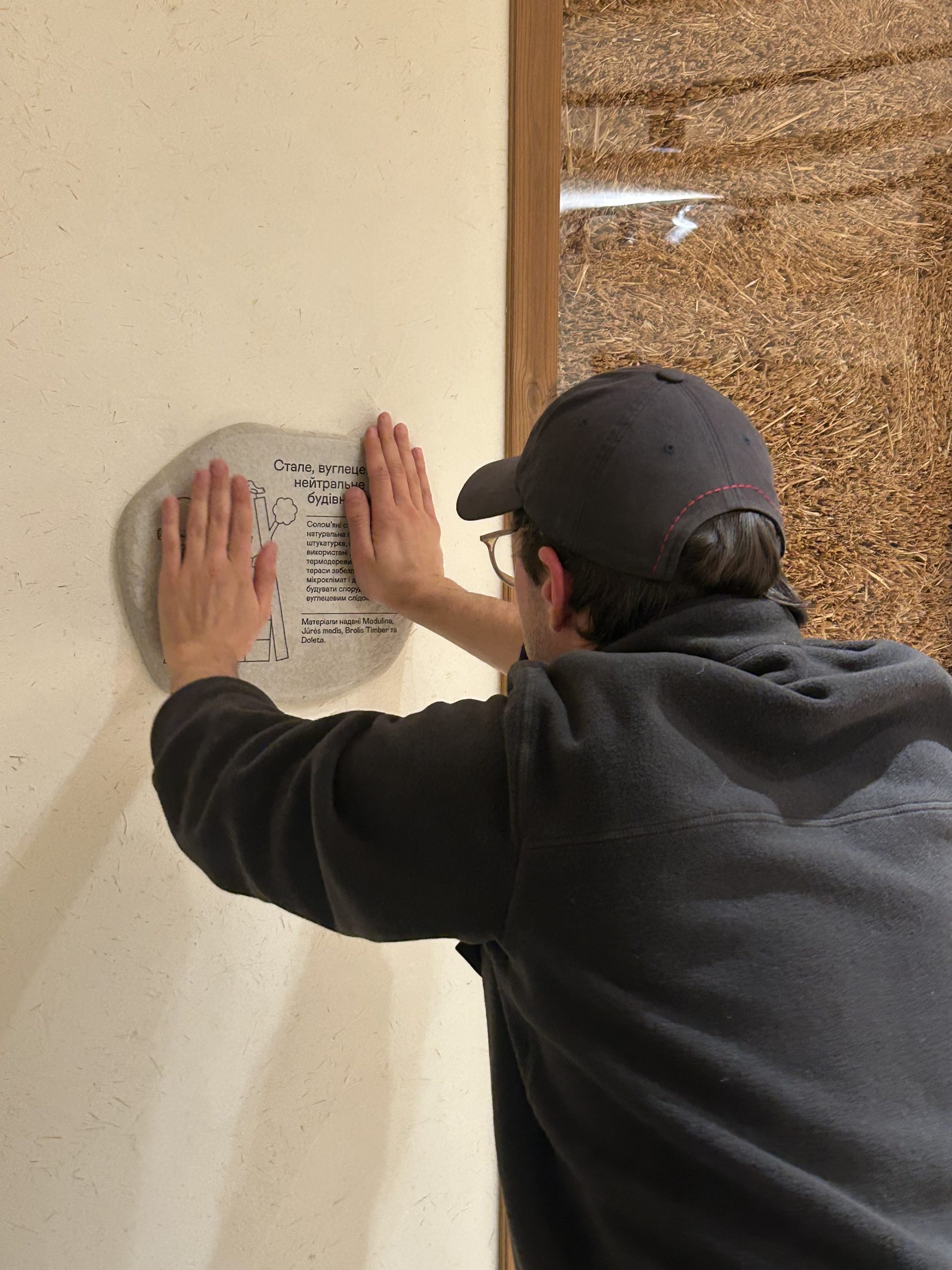
Straw wall panels, natural clay plaster, re-used wooden windows and thermowood for the facade and terrace ensure a healthy microclimate and allow the building to be built with a zero carbon footprint. Materials provided by Modulina, Jūrės medis, Brolis Timber and Doleta
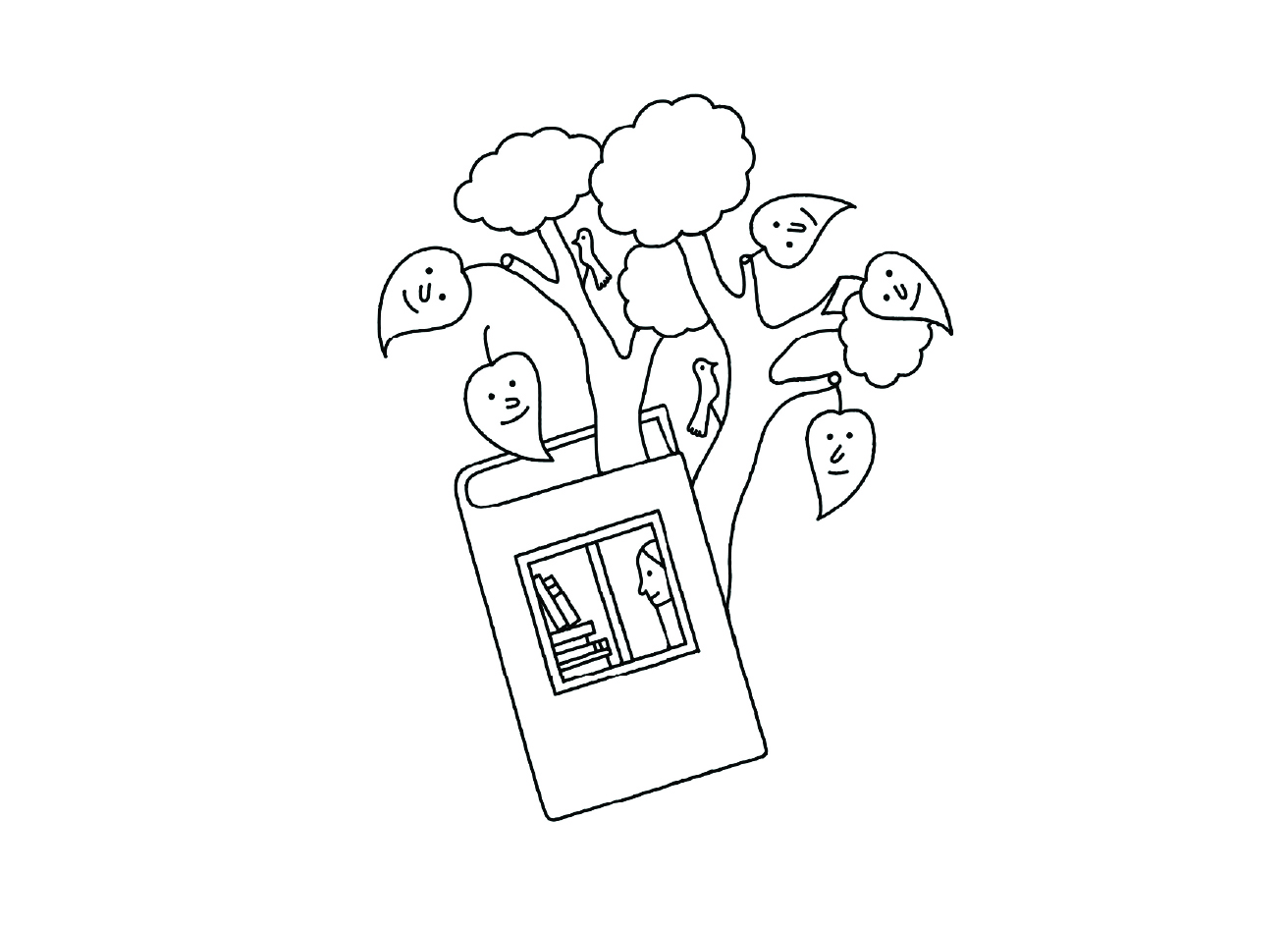
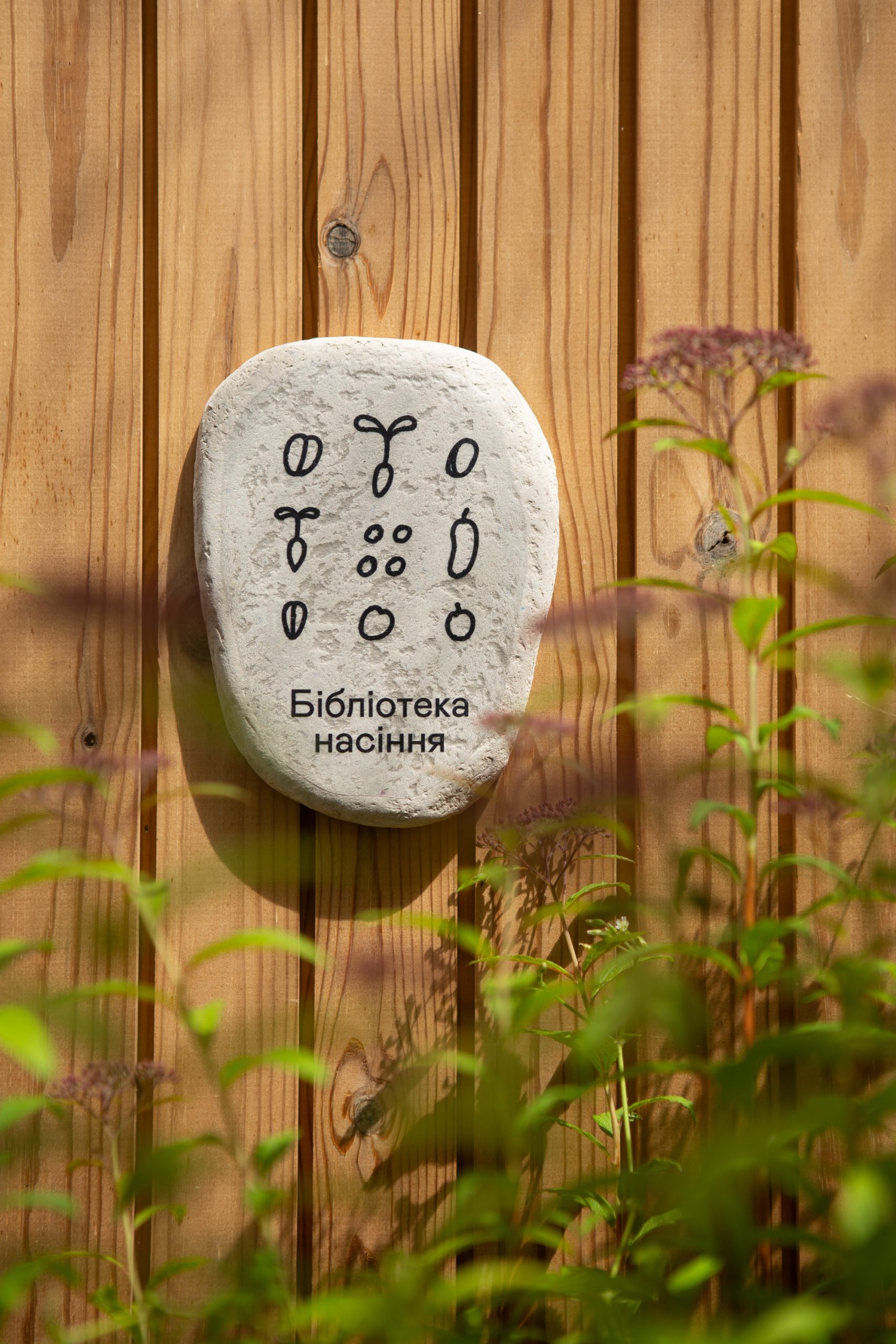
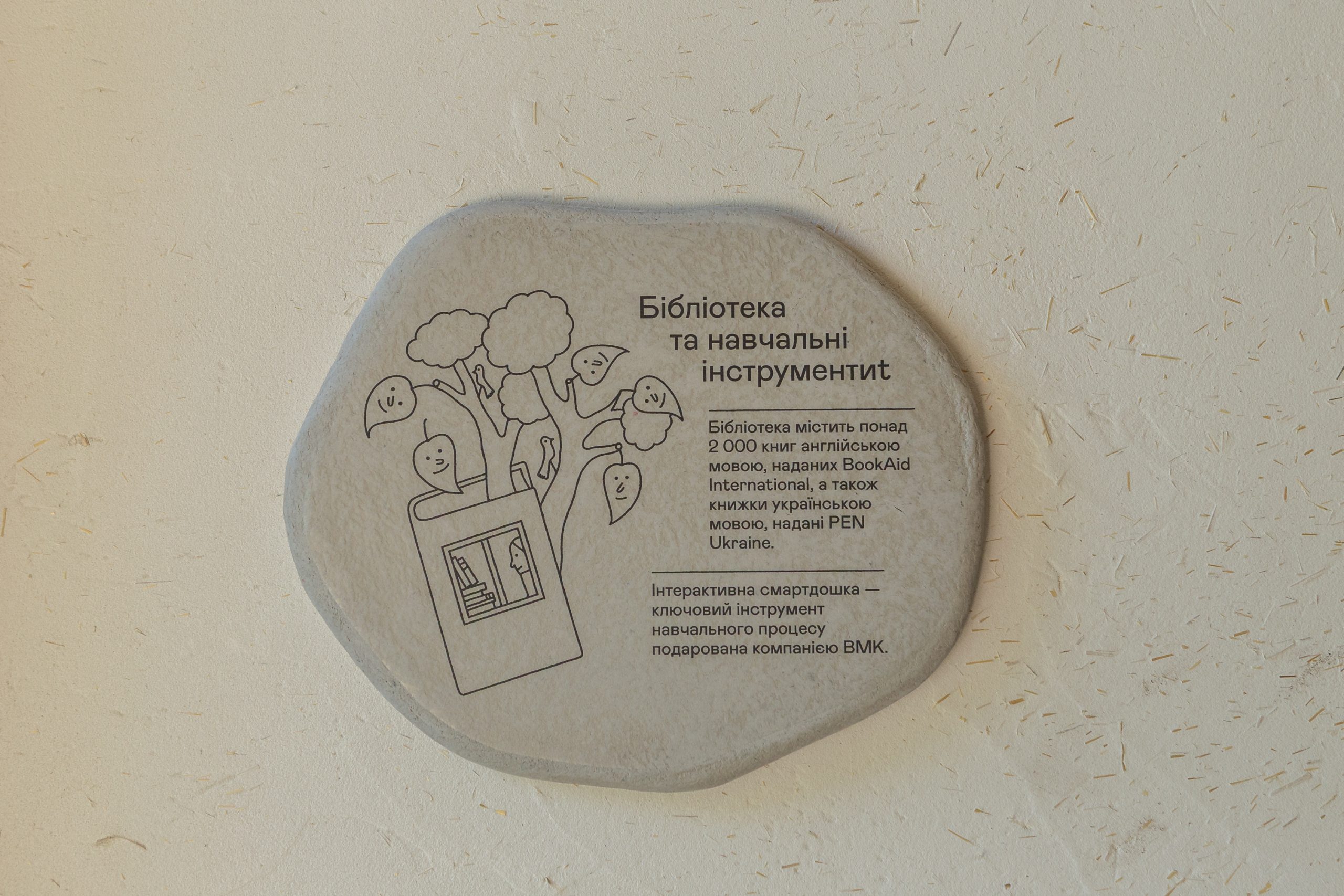
The library contains over 2,000 books in English, provided by BookAid International, as well as books in Ukrainian, provided by PEN Ukraine. An interactive smartboard - a key tool in the teaching process - was donated by BMK.
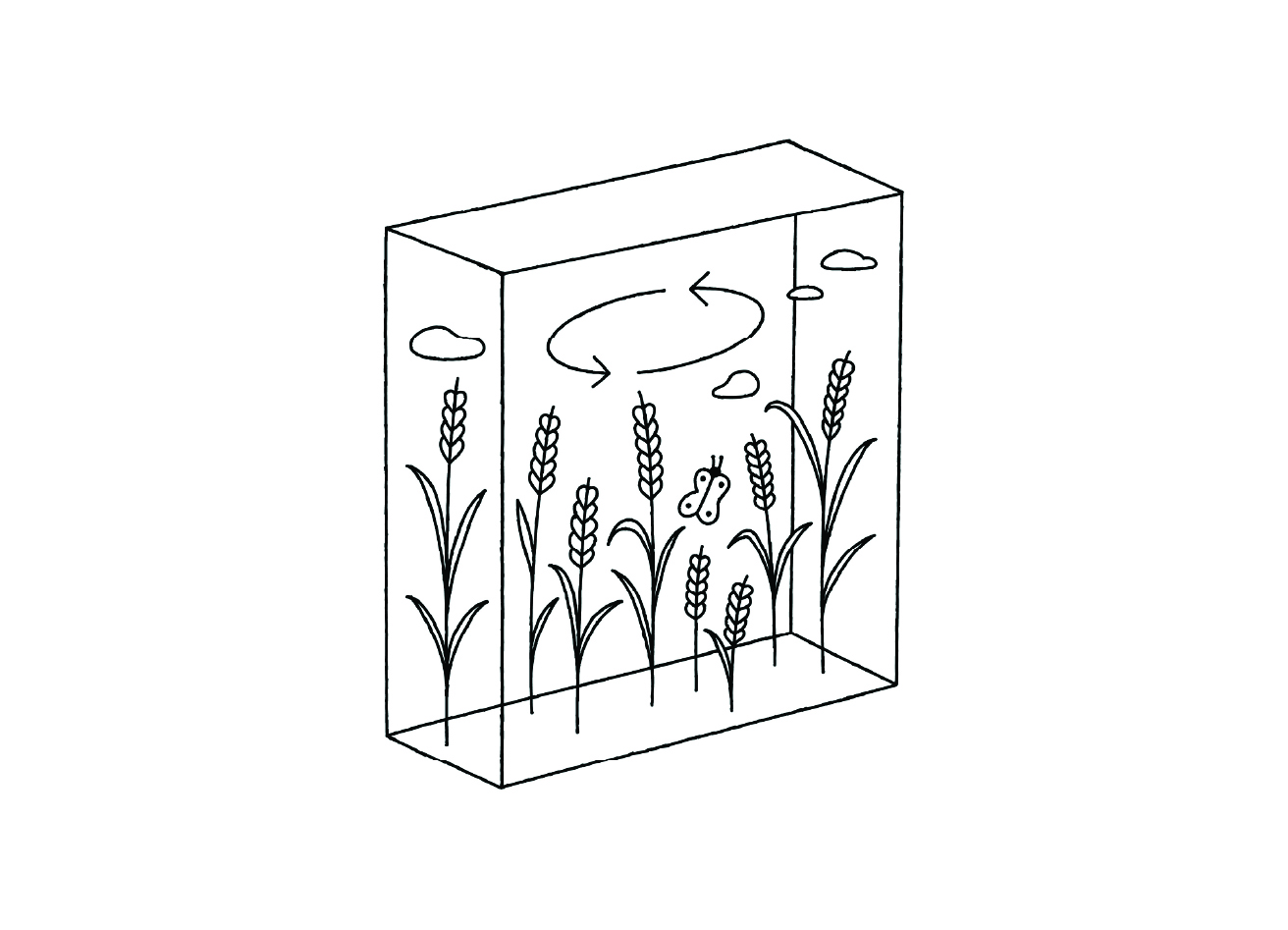
An energy-efficient air-source heat pump and two recuperators maintain fresh air and a stable temperature. Equipment provided by Airwave and Eko2Šiluma
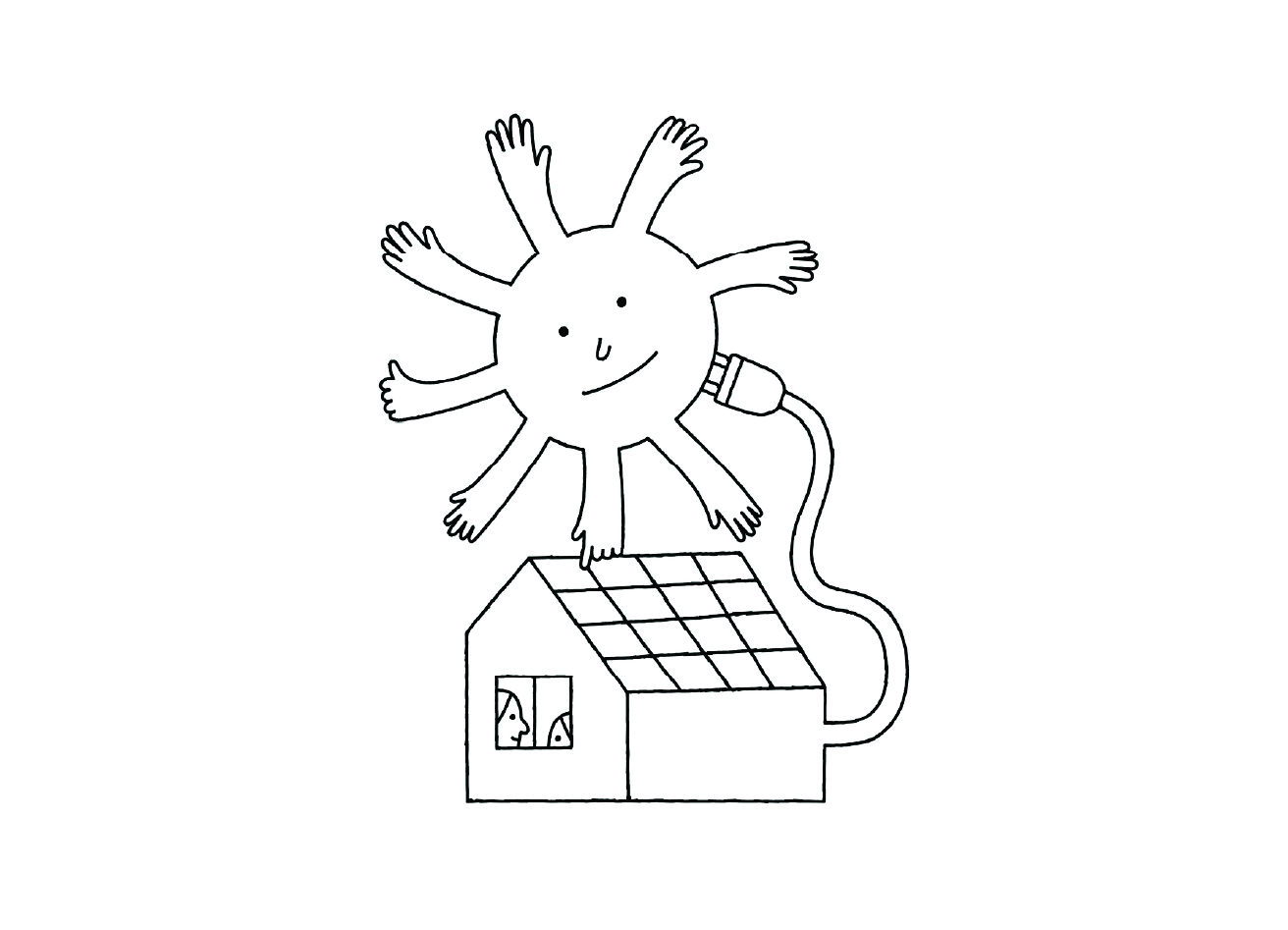
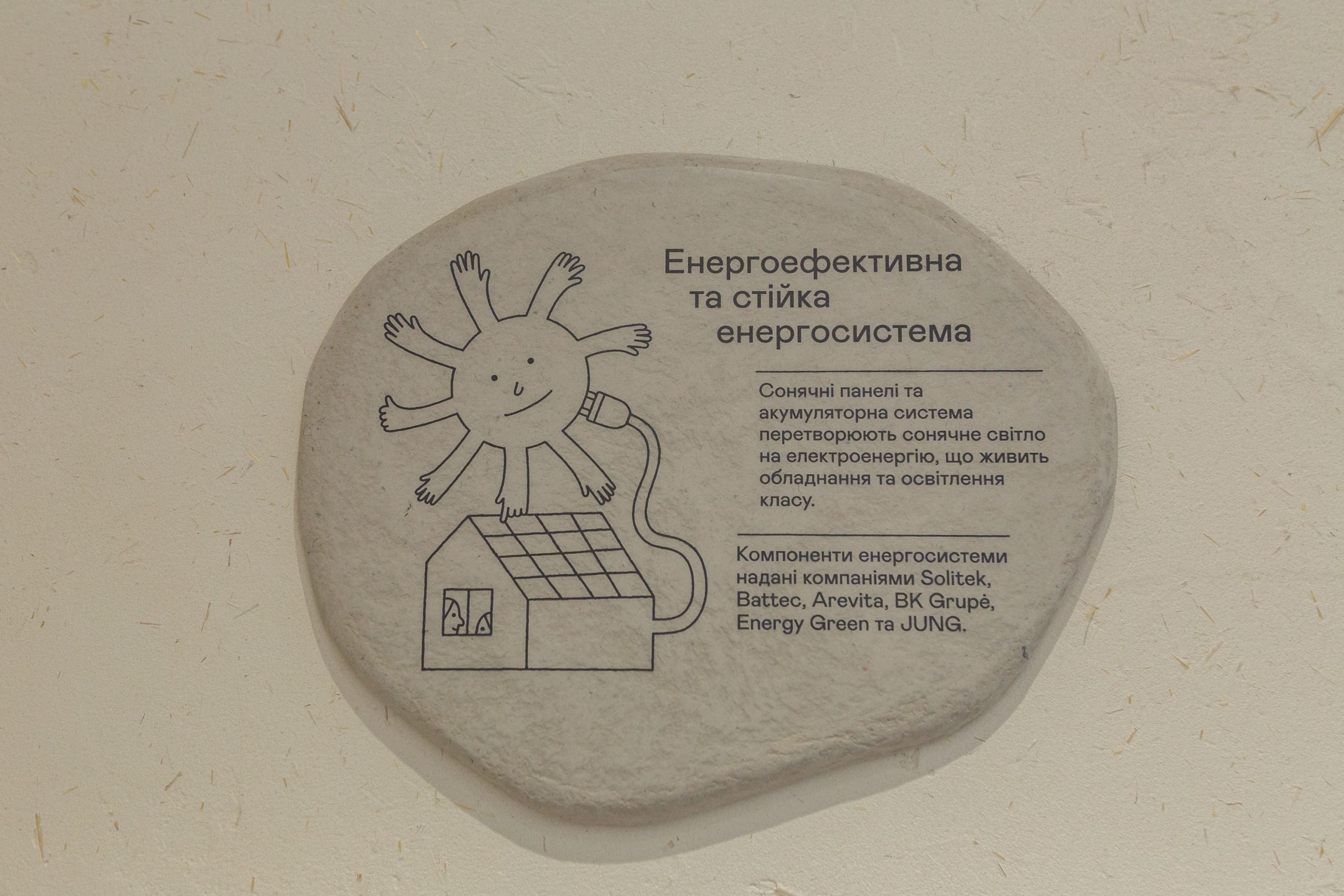
Solar panels and a battery system convert sunlight into electricity, which powers the classroom equipment and lighting. Components for the power system are provided by Solitek, Battec, Arevita, BK Grupė, Energy Green and JUNG
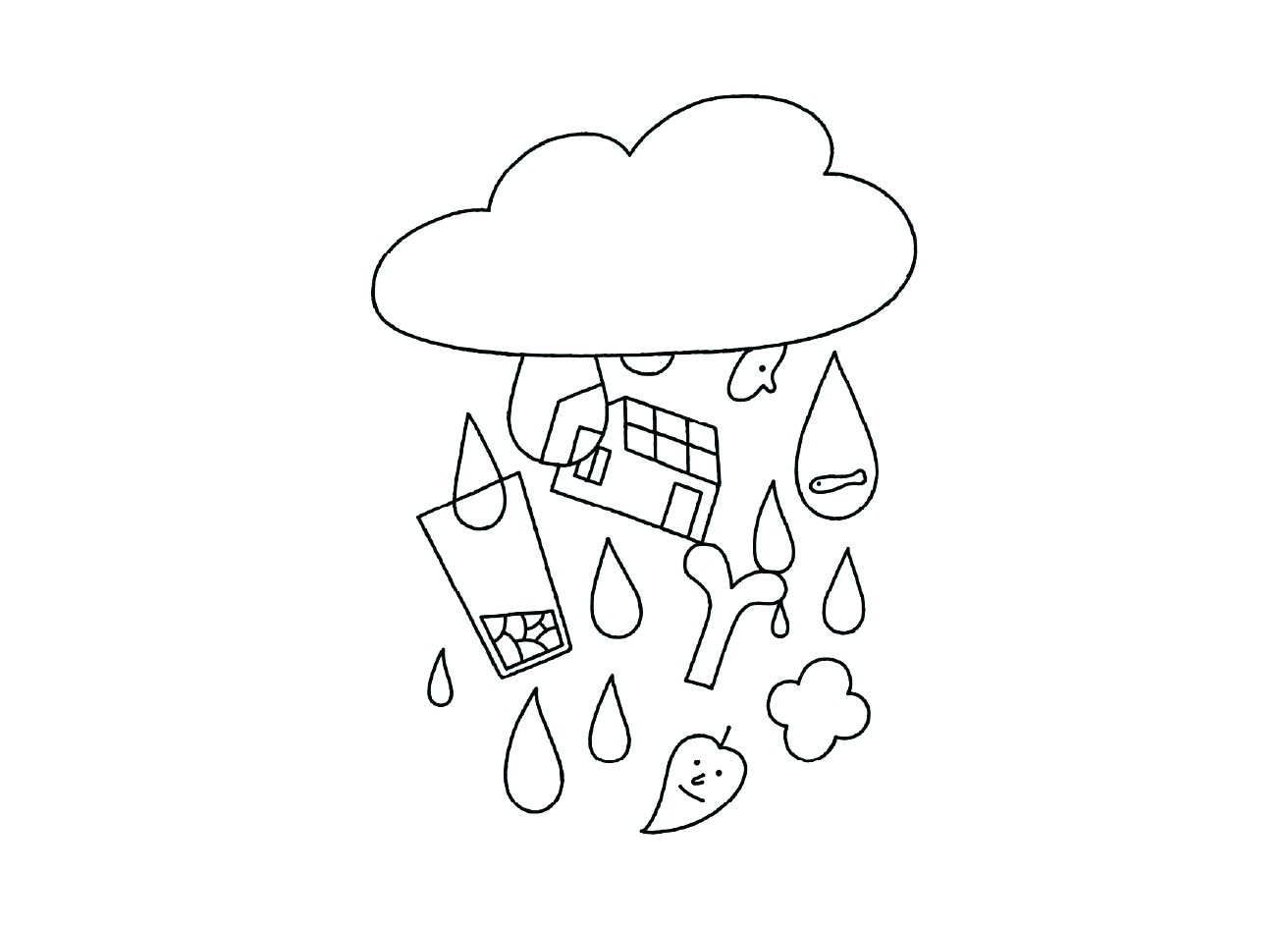
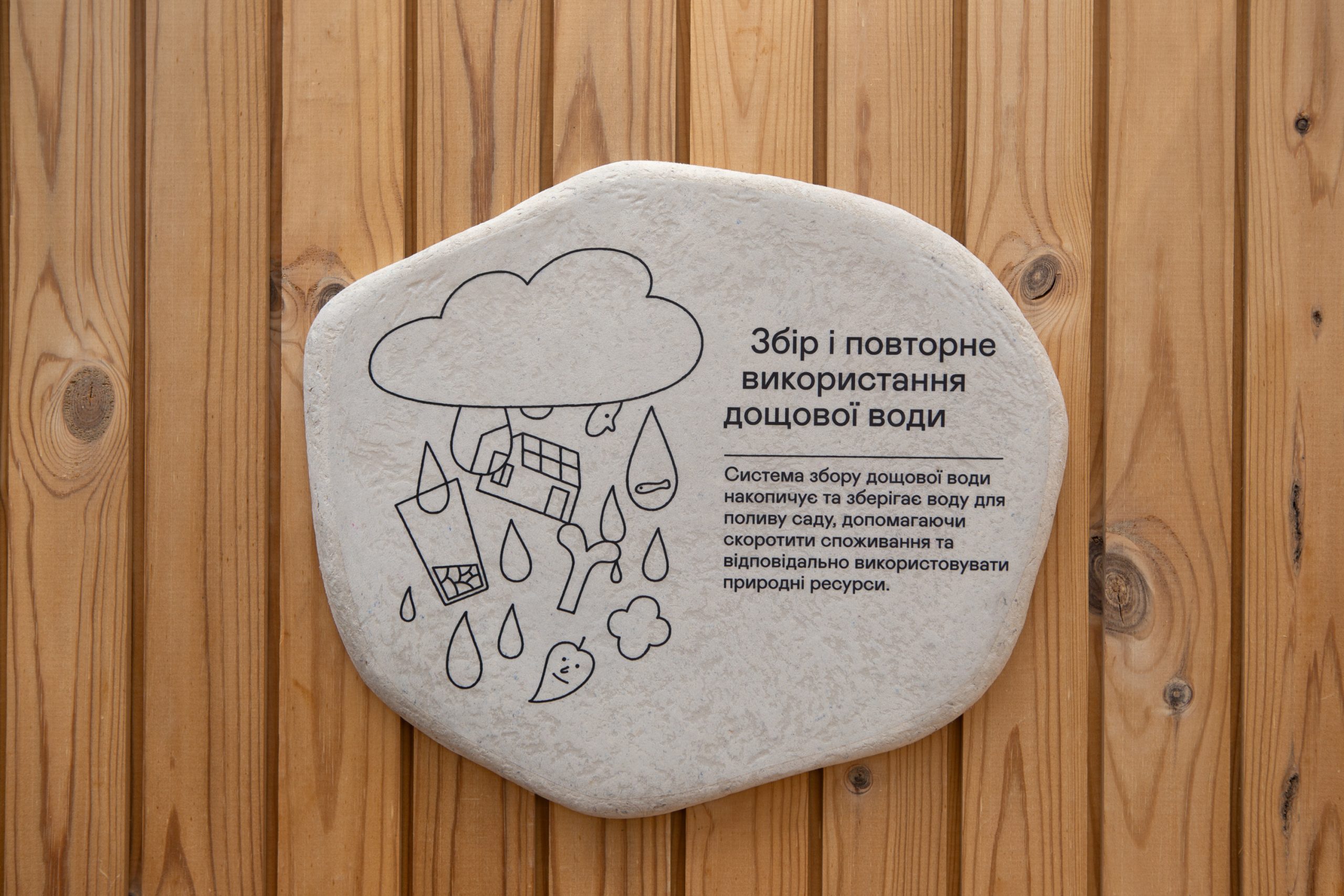
A rainwater collection system collects and stores water for watering the garden, helping to reduce consumption and use natural resources responsibly