


Blossoming – Museum Storage in Rumšiškės
- Location Rumšiškės, Lithuania
- Type Public
- Size 14 195 m²
- Year 2024
- Status Proposal
- Client Lietuvos etnografijos muziejus
- Project lead Elena Paleckytė, Giedrė Kličienė
- Authors Entropic - Magdalena Mróz, Geoffrey Eberle, Gabriella Mackenzie

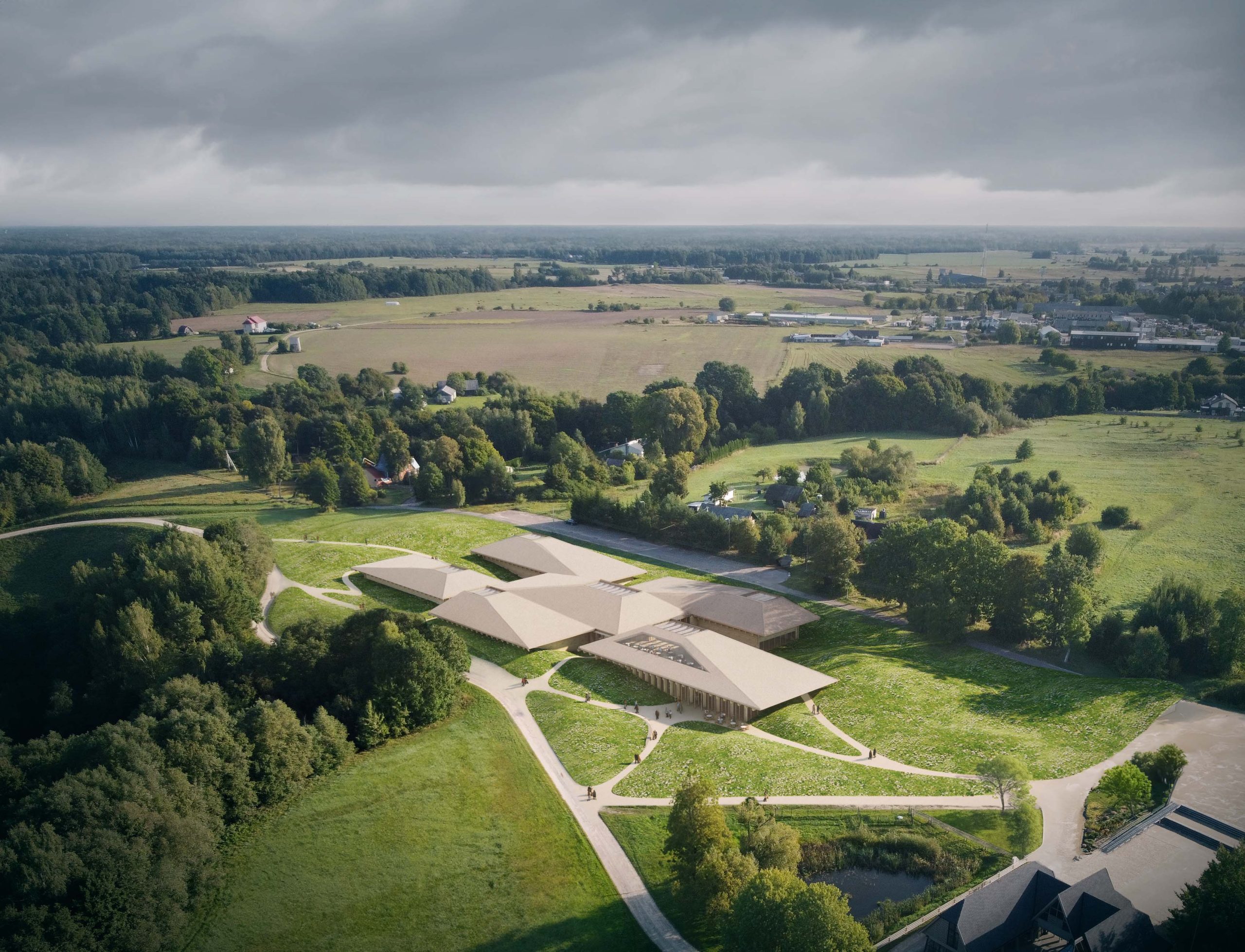
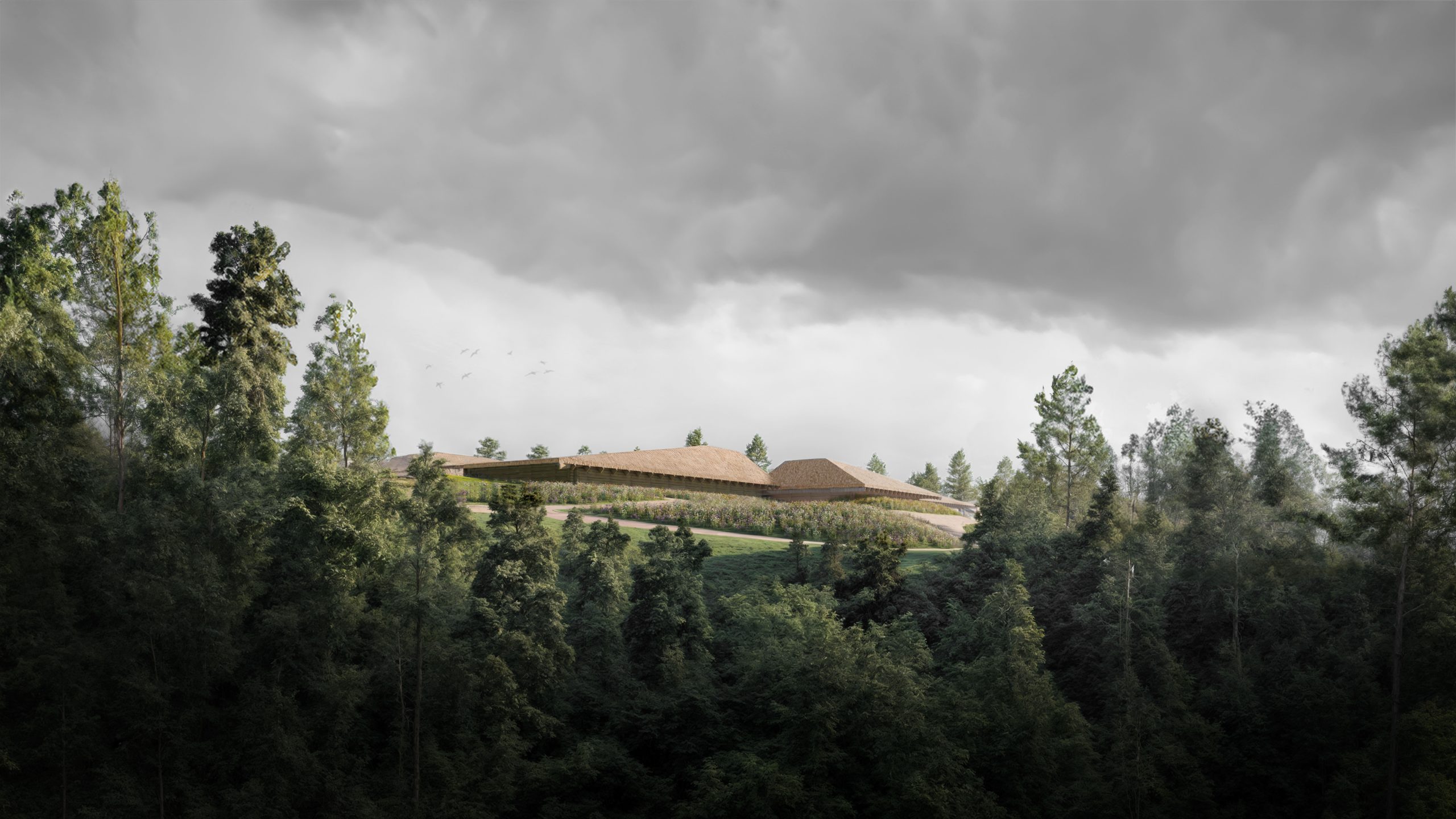
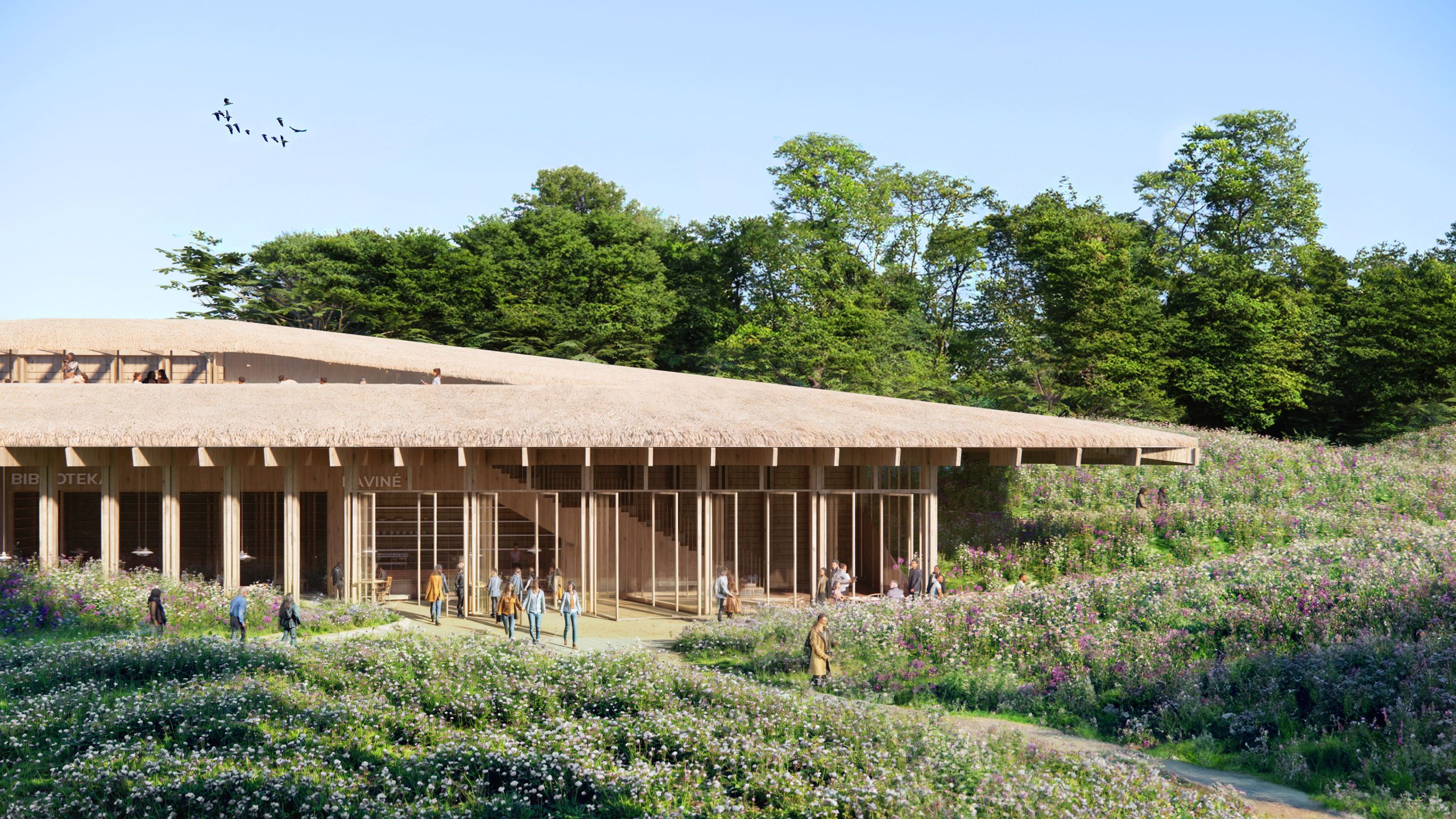
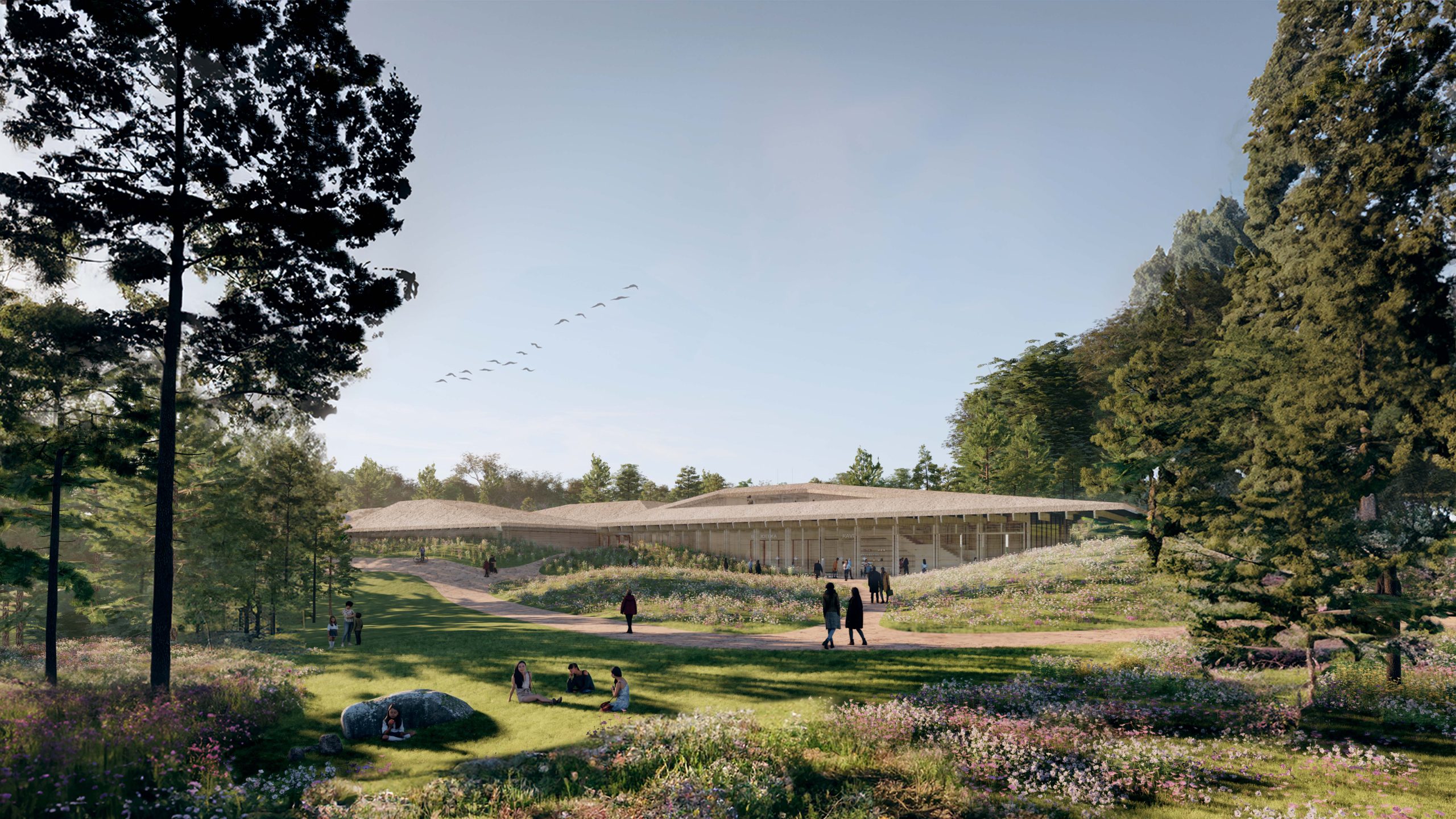
"You are walking through a blooming meadow at the edge of a forest. With every step, a thatched roof of a distant homestead gradually rises from behind a small hill. As you draw closer, the roof continues to climb, yet its eaves remain out of sight—it seems as though they are almost touching the ground. Suddenly, you realize that the homestead consists not only of a farmhouse but also a granary, a stable, and a barn. You hadn’t noticed them before, for they were hidden by blossoms bursting like clouds."

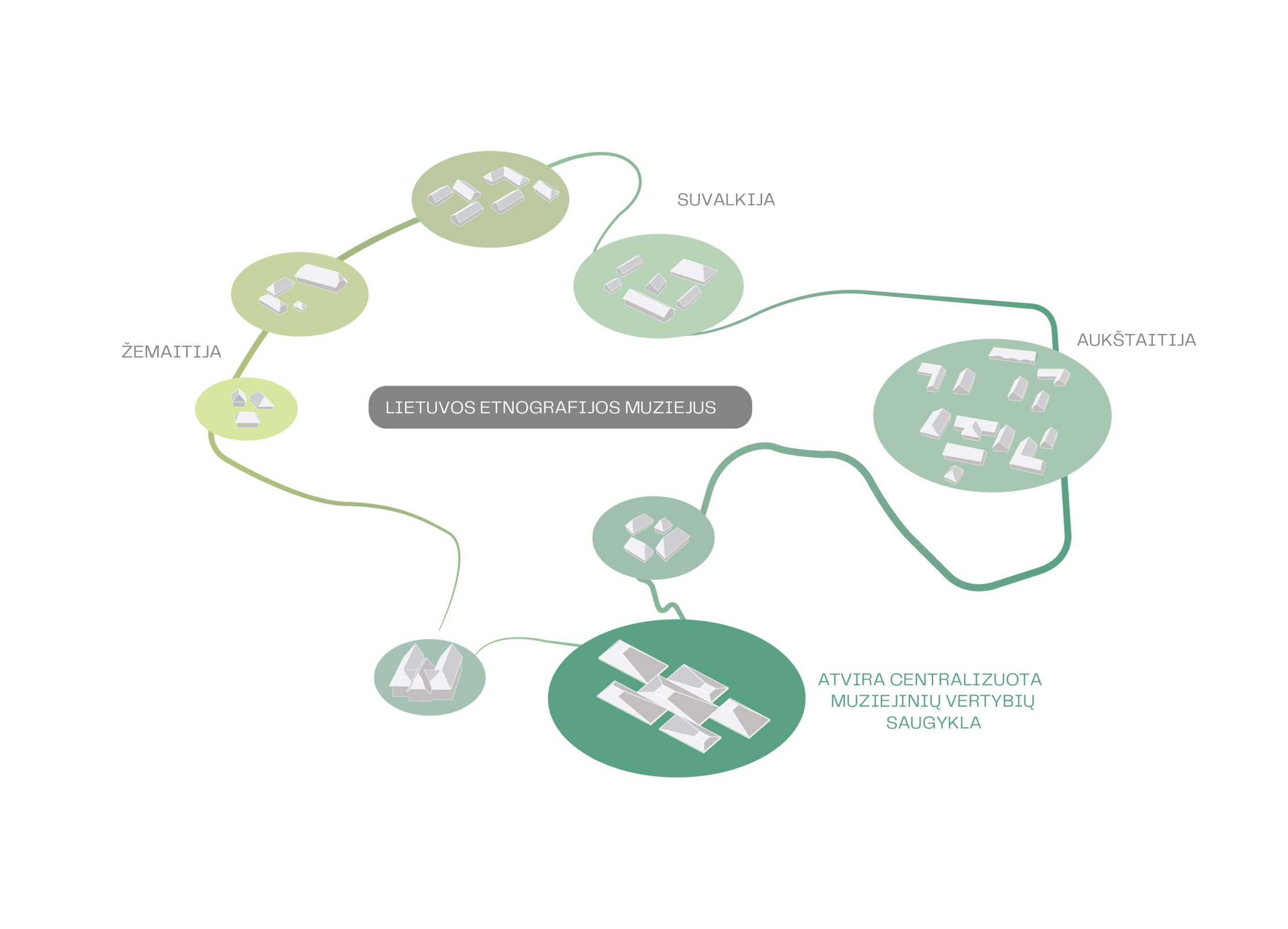
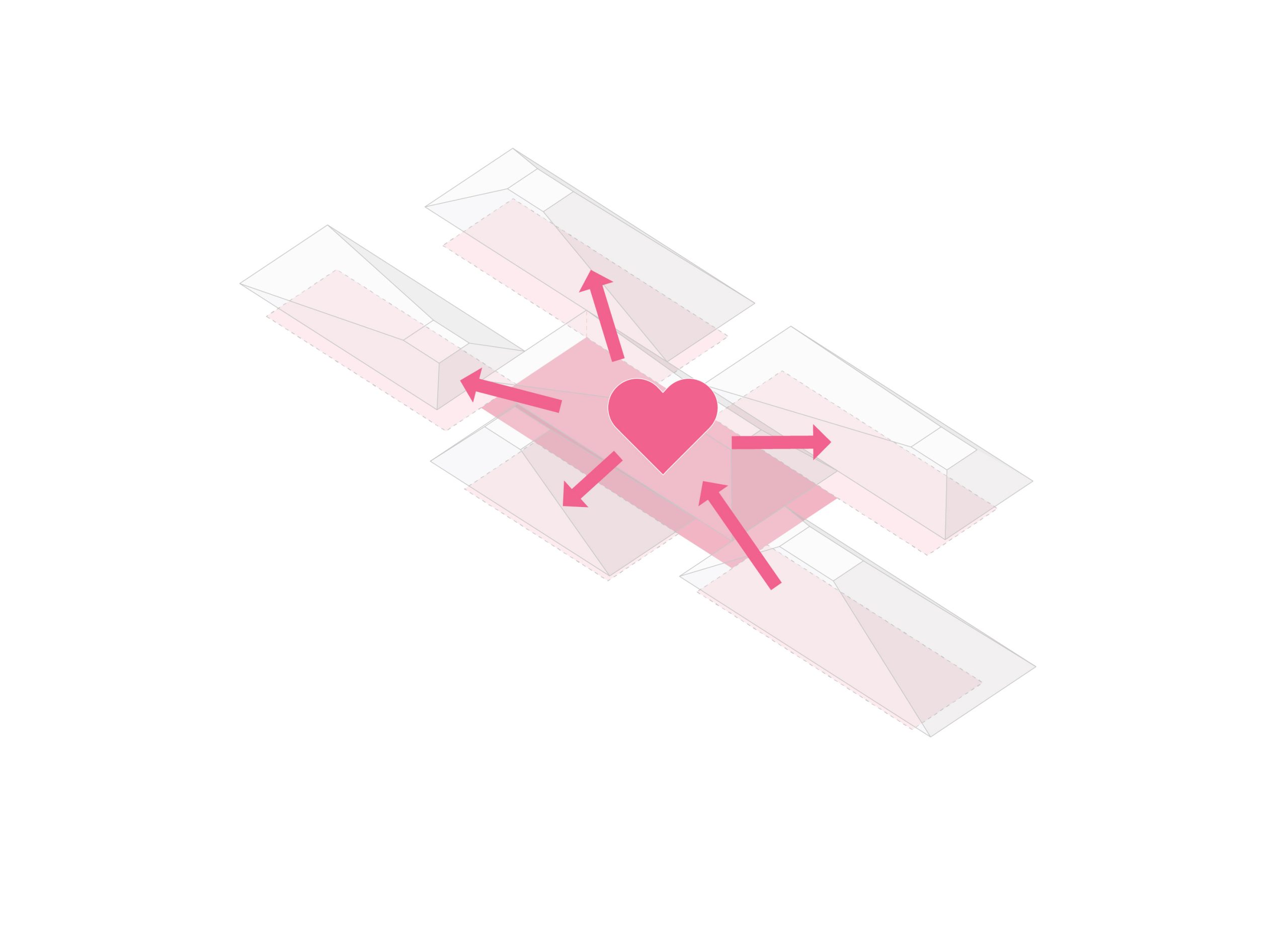
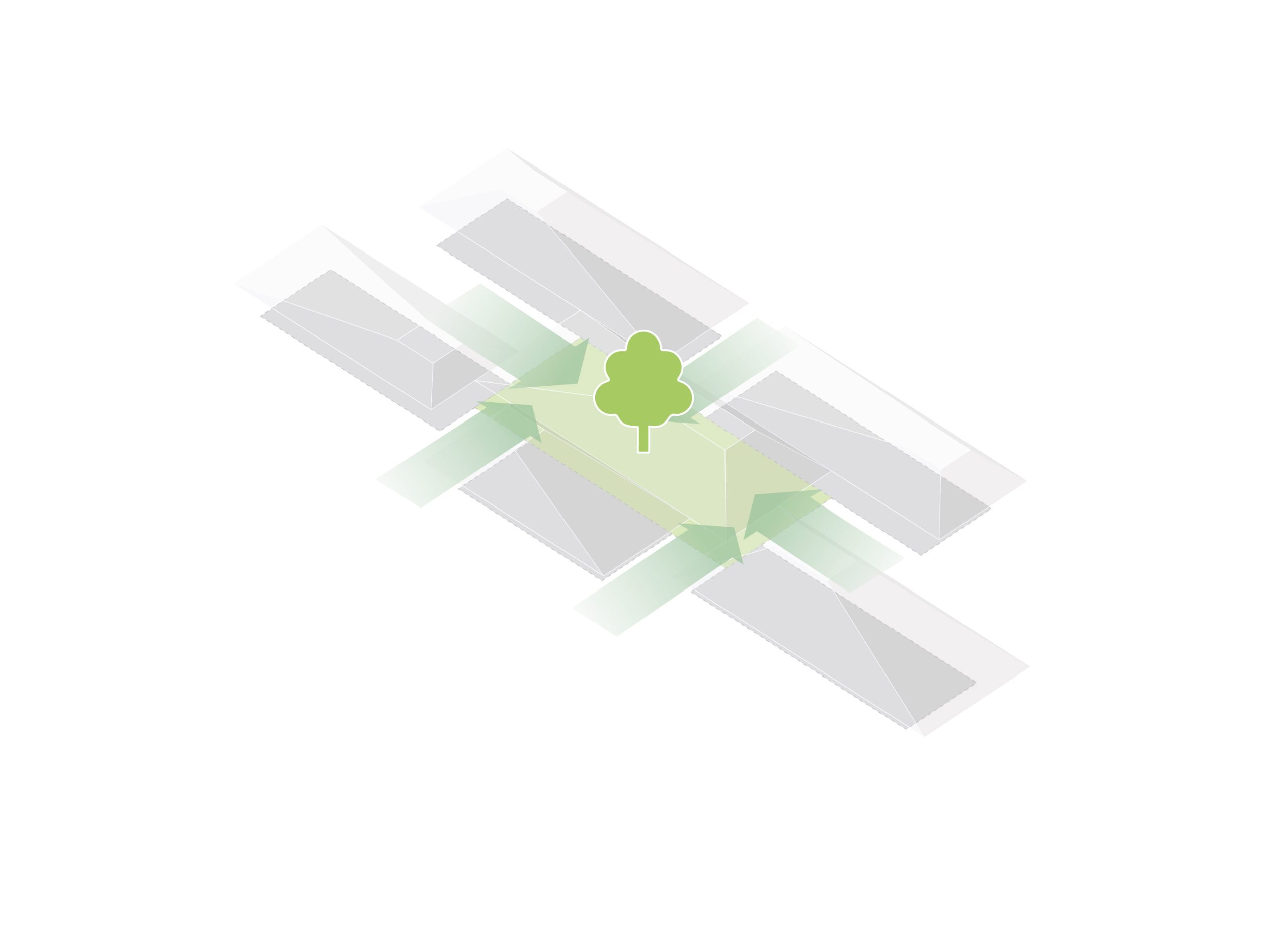
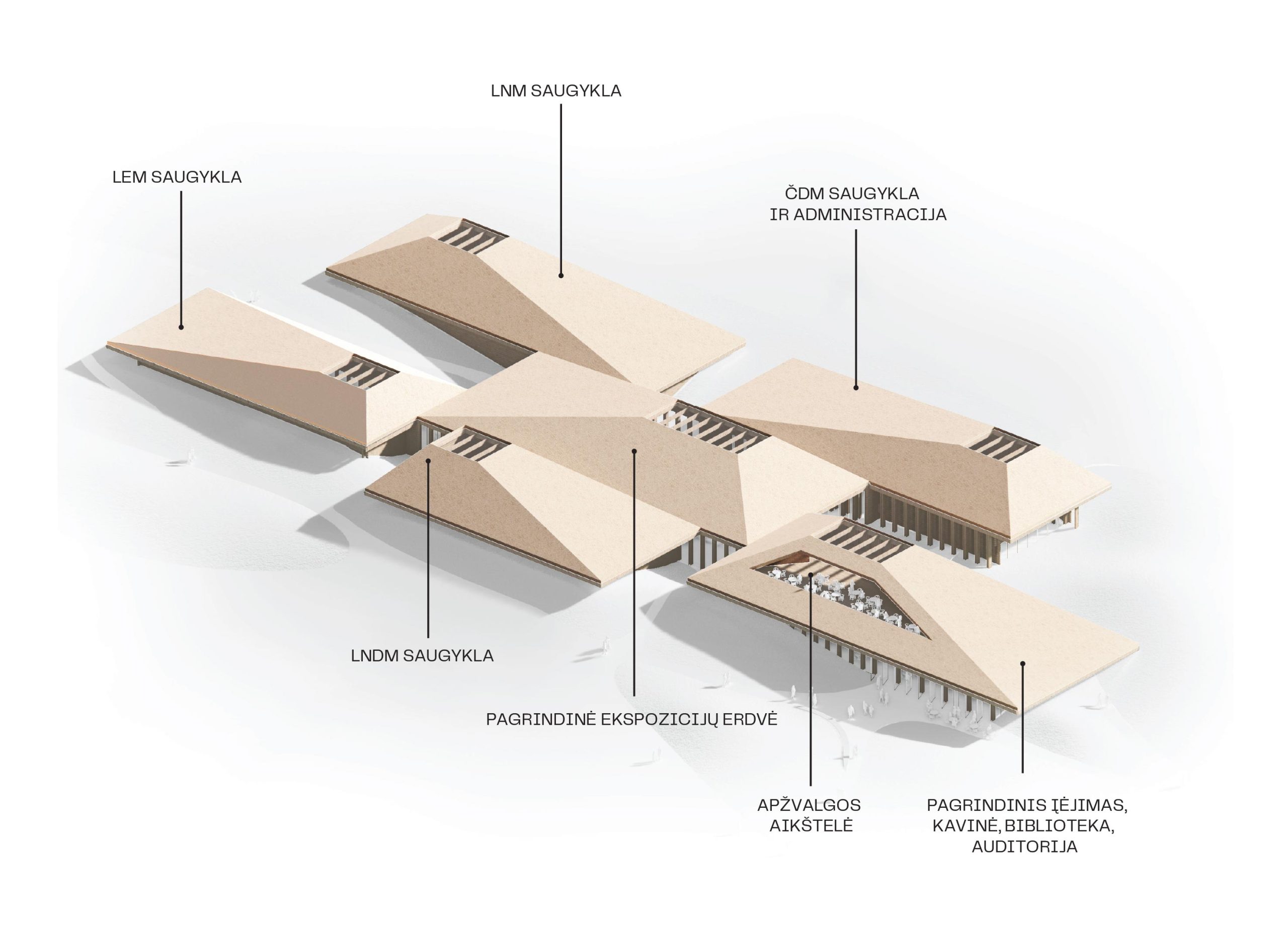

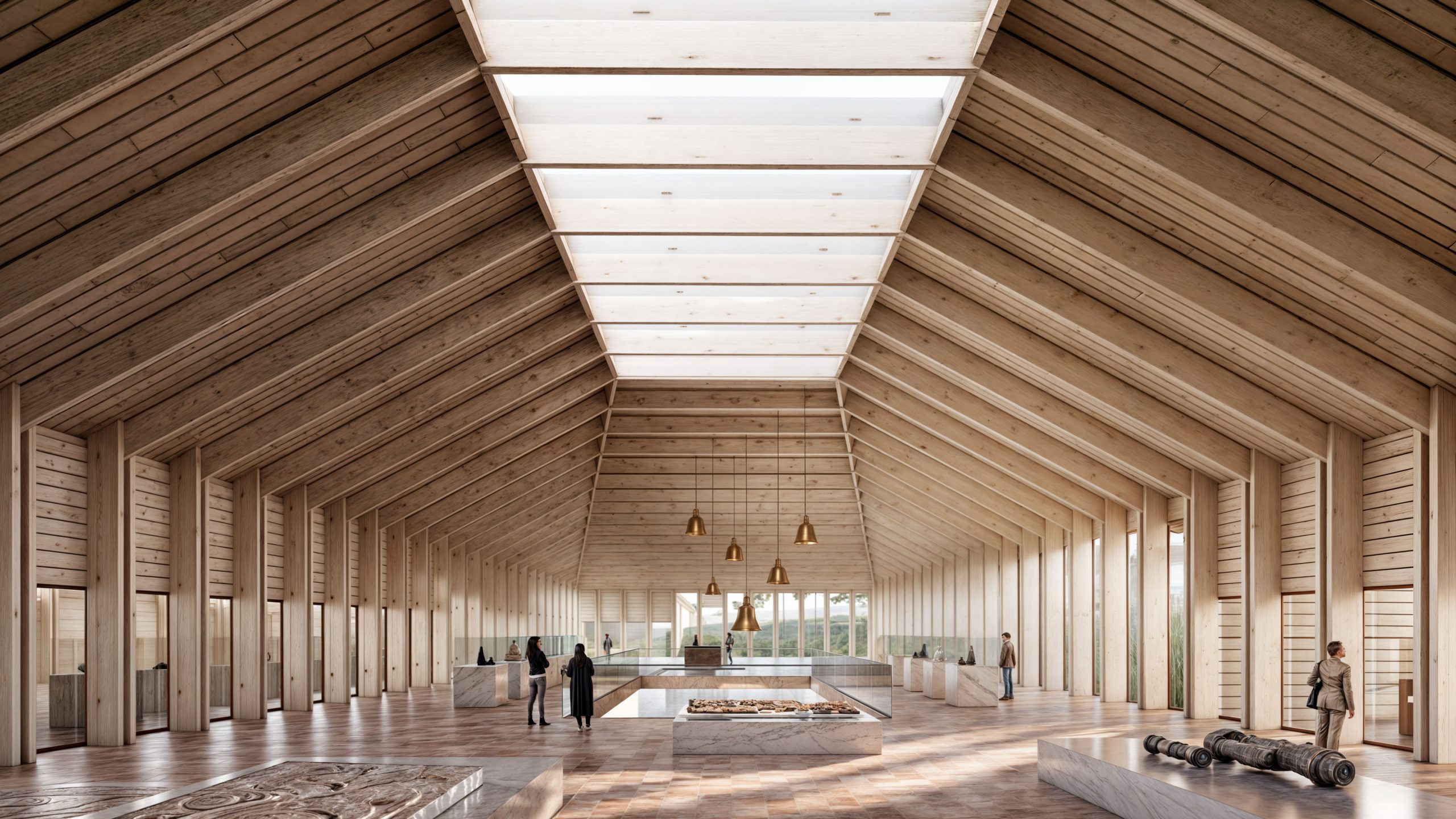
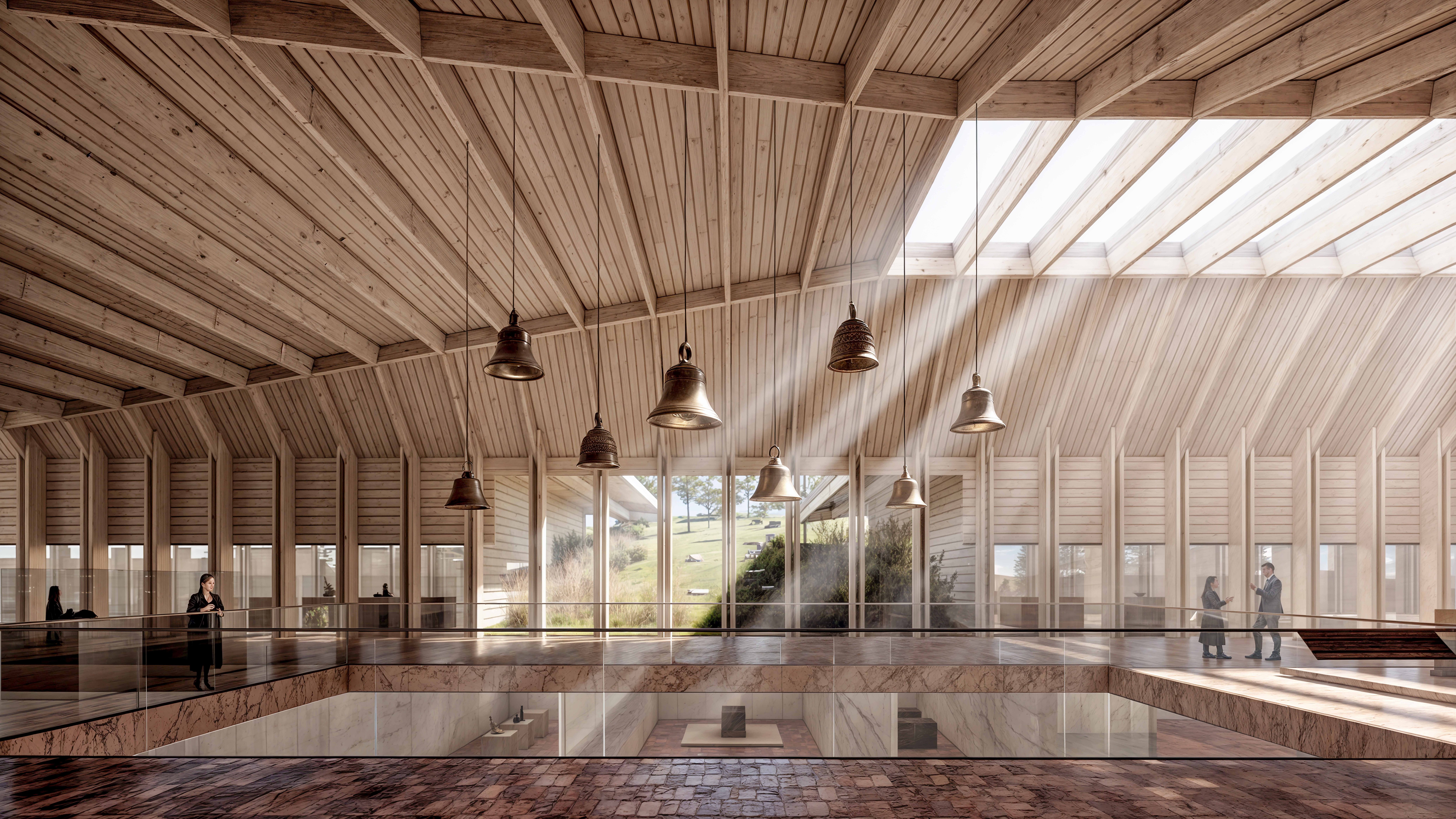
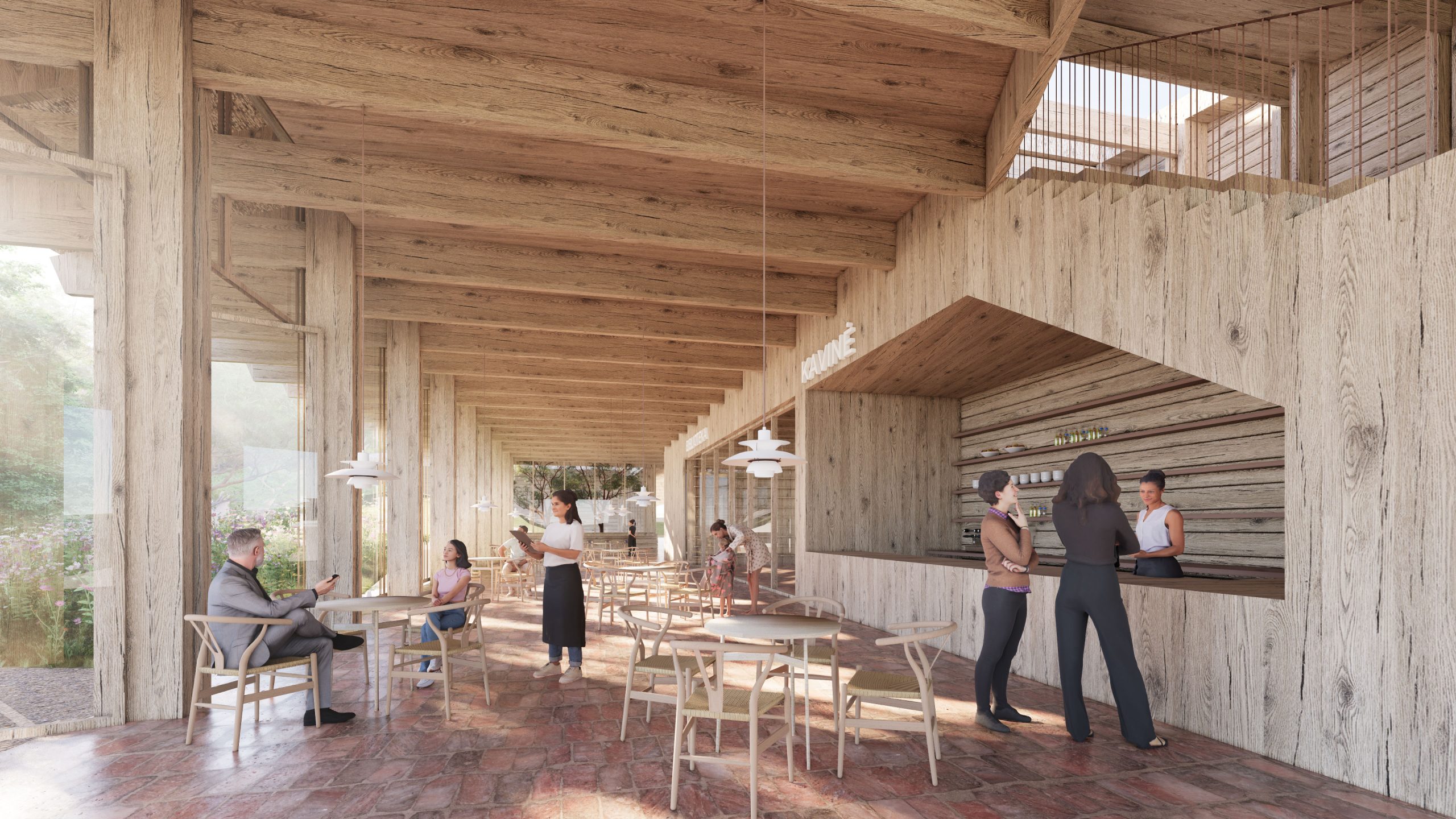
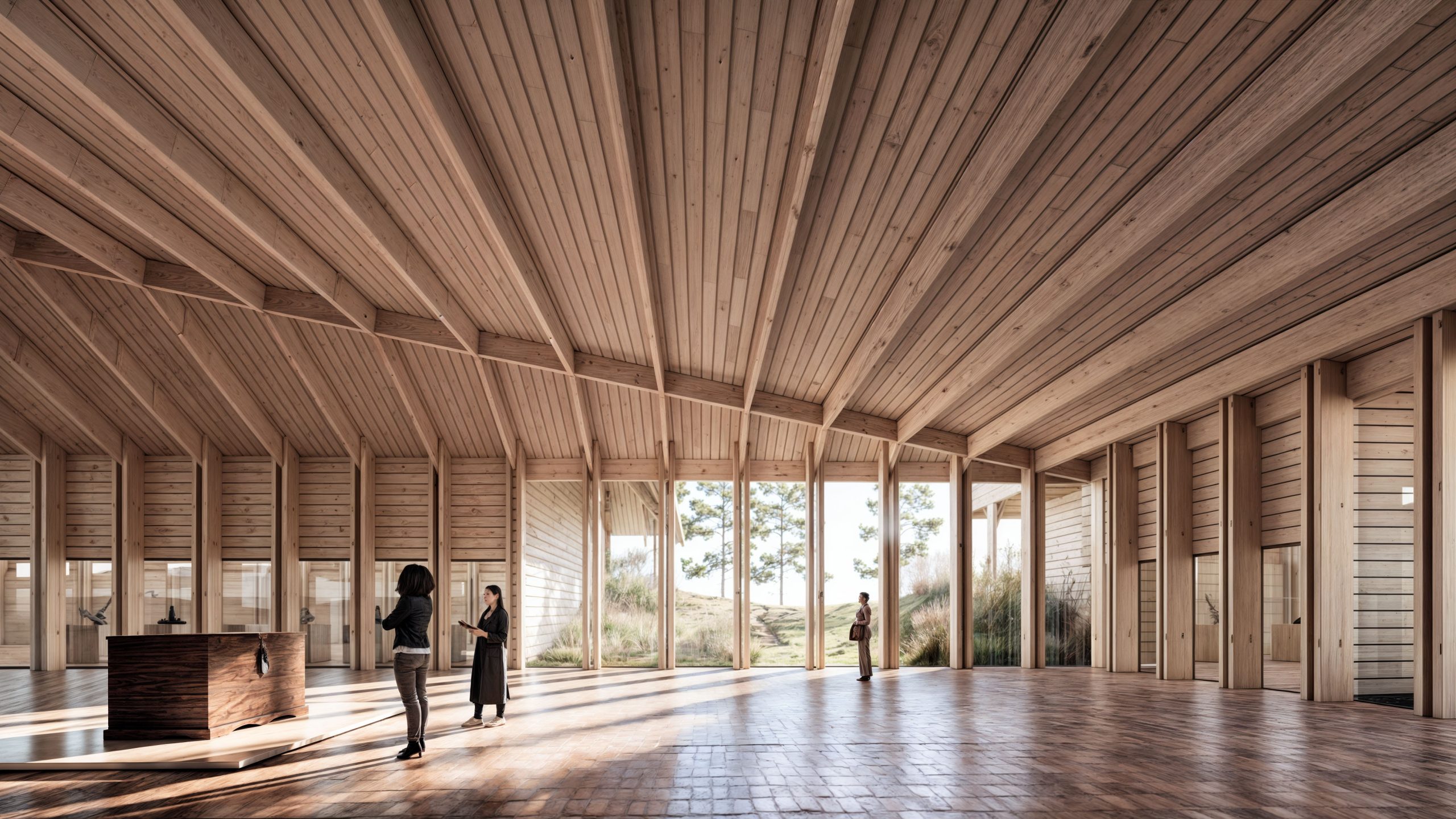
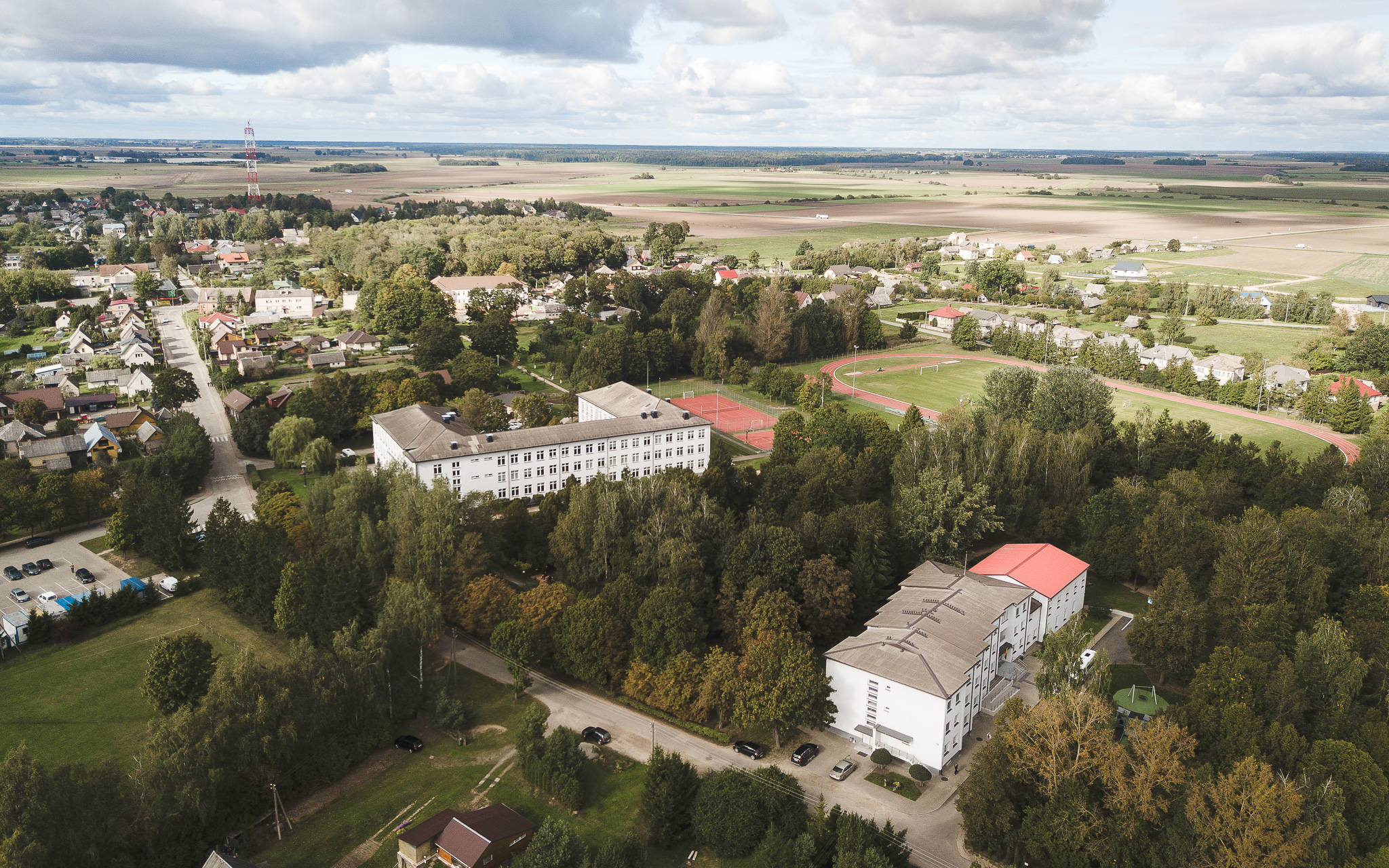
The changing seasons and their cyclical nature serve as a core inspiration for this project, transforming the landscape itself into a living museum exhibit. Designed by Entropic and managed by 2L Architects, the building is integrated into the rolling terrain of the Lithuanian Museum of Ethnohistory in Rumšiškės. To maintain a human scale and respect the ethnographic context, the majority of the massive storage volume is tucked underground, leaving only six modest "volumes" visible above the surface. These structures mimic a traditional homestead arrangement, housing functions such as a café-library, administration, and specialized storage. Inside, a dramatic atrium allows visitors to peer down into the subterranean vaults, revealing the true, expansive scale of the facility hidden beneath the meadows.
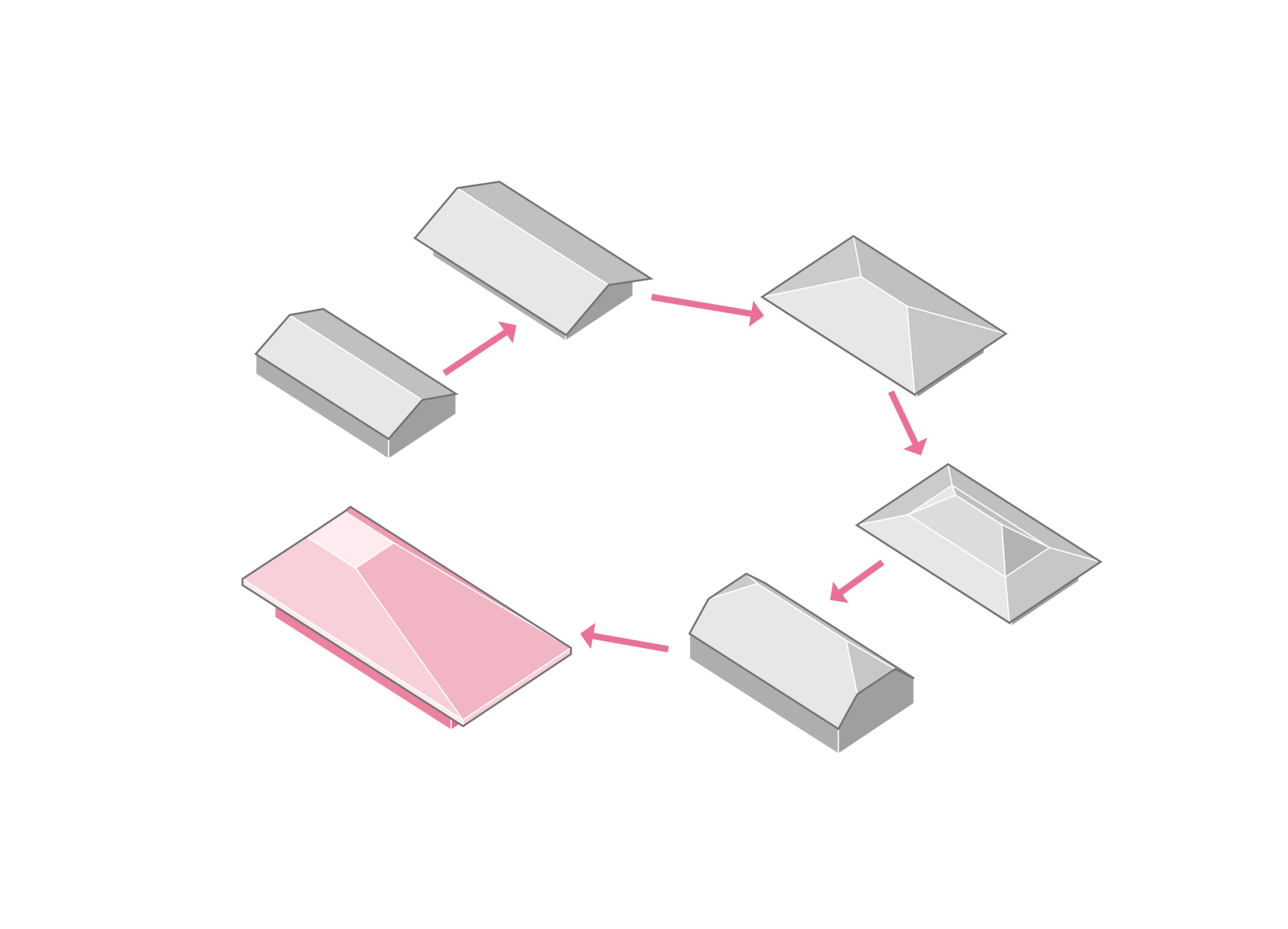
The material palette—featuring wood, polished reclaimed brick floors, and iconic thatched roofs—modernizes traditional construction techniques through a contemporary lens. Strategic glazed windows and a rooftop terrace create a continuous dialogue between the interior and the surrounding horizon. Beyond its functional role, the building fosters biodiversity through "green hill" roofs that provide habitats for local pollinators. This proposal stands as a stylized, modern interpretation of Lithuanian heritage, weaving new architectural quality into the historic fabric of the museum.